

How does it feel to be an artist in 2026?
Insolvency & Pop
We talked with Sasha Zakrevska (Poly Chain), Adam Byczowski (Better Person), Sera Kalo, and Theresia Philipp.
How does it feel to be an artist in 2026?
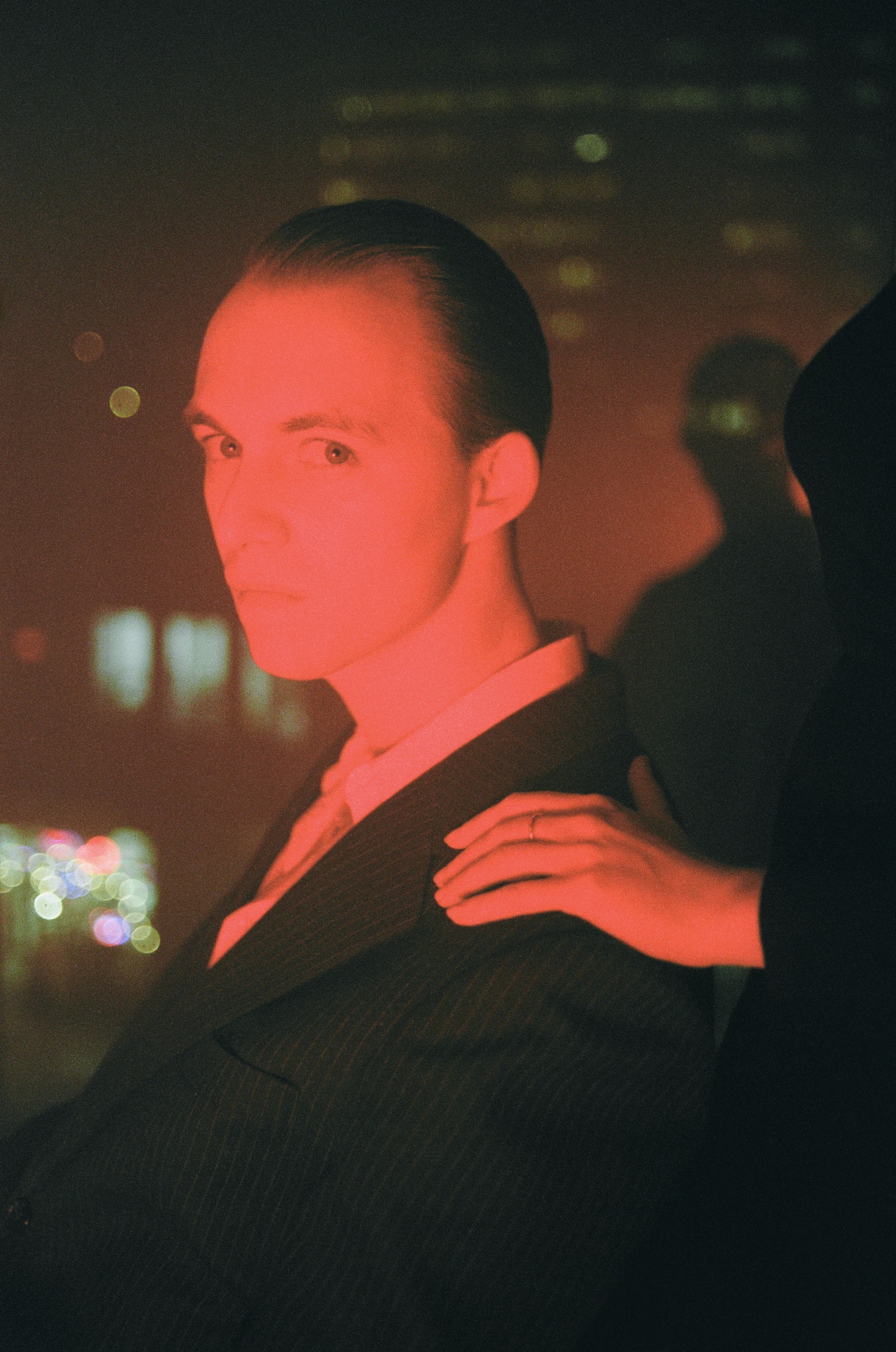
Adam Byczowski aka Better Person (Photo: Tess Roby)
Adam Byczowski: That’s a difficult question for me. For the past five years, I’ve been dealing with serious chronic health problems, that have made it impossible to perform live or record and release my music as freely as I’d like. Because of that, I feel somewhat disconnected from the music industry at the moment.
But even in this situation I don’t feel it’s more or less difficult to make art. My music has never come easily. It has always been a struggle; but a struggle that gives my life meaning, something I cannot live without.
Making music isn’t a business endeavor for me. It’s my life’s passion, something that will always be part of my life.
Of course it’s depressing to see musicians having to make countless Instagram Reels and TikToks just to promote their music. But I also notice that some underground artists manage to get away with doing very little of that while still receiving attention for their work. That gives me hope. I also hope music journalism will make some kind of comeback in the next years so we don’t have to rely entirely on algorithms.
Sasha Zakrevska: I’m managing… and not afraid.
Sera Kalo: For me it feels difficult. Even more so than in previous years.
Theresia Philipp: That’s a difficult question — compared to what, and where? For me it’s the most wonderful job in the world, and I wouldn’t want to do anything else. But I don’t want to create illusions. Right now I can enjoy it because I receive a lot of support.
For example, I’m part of the NICA Artist Development Program at Stadtgarten in Cologne and supported by the Swiss foundation Arvore, which gives artists the freedom to focus on their development. I’m extremely privileged at the moment and can’t speak for every artist in Germany. Most freelancers struggle to make ends meet. As an artist you can hardly survive without personal or project-based funding — and even that often depends on being active in certain circles. That’s extremely precarious and says a lot about our society.
What kinds of special strings are attached these days?
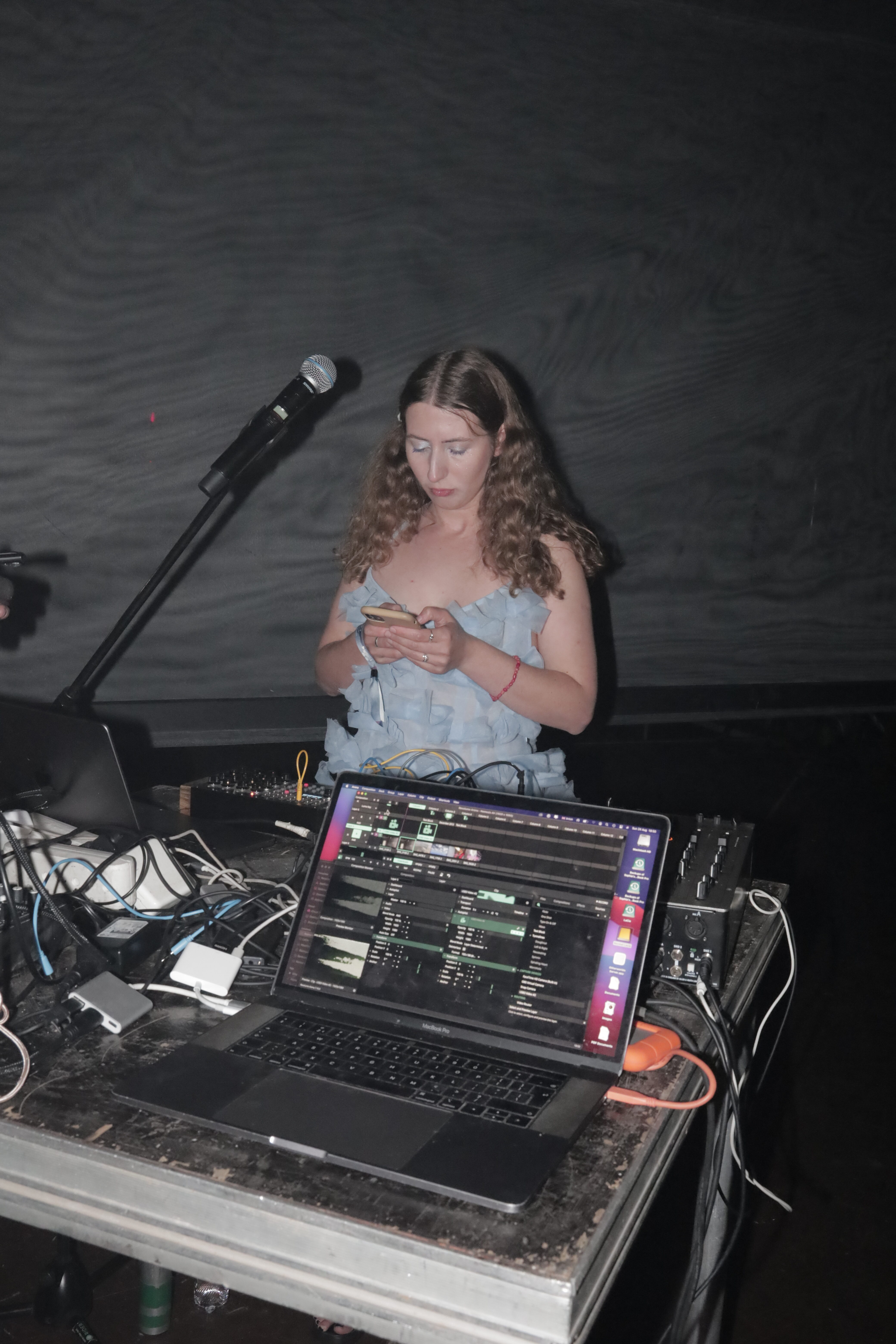
Sasha Zakrevska (Photo: Nazar Furyk)
Sasha Zakrevska: I wish I could spend more time in the studio — making music as a form of research, creating work for installations, composing for films. That interests me a lot. We’ve also received some funding applications for ideas and projects my partners and I have been working on over the last two years. Stay tuned.
Adam Byczowski: Because of my current situation it’s difficult for me to have a clear view of the industry side of things. As an artist, though, I don’t feel many strings attached. I feel artistically free. I don’t feel restrained by trends or business expectations. I just focus on making art whenever I’m able to.
Sera Kalo: It’s not like in the past when labels and producers invested in the development of an artist. Nowadays labels often expect you to arrive with the full package and hesitate to invest anything. They want to see how far you can get on your own before they jump onto the hype train.
It’s tough when you’re simultaneously the investor, the COO, and the product. And of course you also have to be your own cheerleader.
Theresia Philipp: You have to be open-minded and willing to move between different spaces. And I think it’s our responsibility to demand space for those who cannot do so themselves because they lack privileges.
You should have a plan, but not too detailed, so that you remain open to how life unfolds. You also have to be good at marketing yourself, including social media, which, personally, I find very difficult.
And you need to live with a lot of economic and political uncertainty. One of my biggest personal challenges is juggling the ten jobs I have at once, organizing myself sustainably, and setting priorities.
Do you need a side job?
Sasha Zakrevska: I wouldn’t mind a part-time production job with a good social package.
Adam Byczowski: Right now, because of my illness, I receive financial support from the state. It’s barely enough to survive, but it keeps me afloat, and I’m extremely grateful for that. Without it I don’t know what my life would look like.
Before that, I was lucky enough to make a living from performing and selling albums. Earlier in life I worked almost every entry-level job imaginable — washing dishes, cleaning apartments, working as a barista and bartender, as a nanny and waiter, even some light construction work.
Sera Kalo: I wish I didn’t, but I do. My last job was as a Digital Communications Editor and Social Media Manager.
Theresia Philipp: It depends what you mean by a side job. As a freelance jazz musician you already have several jobs at once. You could say my job consists of ten side jobs. But they’re all related to music — concerts, organising, promotion, teaching, composing, conducting, workshops, studio work, and so on. I don’t have a side job outside music. The last time I did was 13 years ago during my studies, when I worked as an assistant.
We’re all experiencing the increasing pressure of global politics — which direct impact does this have on your artistic work?
Sasha Zakrevska: I am a war refugee from Kyiv, and what troubles me most is ignorance. The European cultural sector often treats its position as self-evident, even though its prosperity has partly relied on decades of cheap resources from non-EU countries, including Russia, now Ukraine’s aggressor.
In this context, claims that Europe has “helped” Ukrainians and that Ukrainians are therefore ungrateful ignore the structural dependence on cheap Russian gas and the long-standing disregard for Russia’s military interventions in Georgia, Ukraine, and Syria.
Many institutions, especially entertainment-focused venues and festivals, are not ready to confront this reality. Sometimes I find myself on a lineup alongside artists who performed in Russia after the full-scale invasion began. Some may say I’m difficult, but I simply consider myself a socially responsible adult. It’s part of the journey and it helps reveal what and who is unnecessary.
Adam Byczowski: There’s no direct impact on my work. I deliberately try to keep it separate from the daily news cycle.
Privately I have strong political views, and sometimes I use my social media reach to draw attention to issues I care about. But I don’t like mixing art and politics. It’s not about neutrality or comfort, it’s simply where art feels most honest to me.
I’m not interested in turning songs into tools for persuasion or agendas. Once music tries to instruct, something essential gets lost. As a listener I’ve always been more moved by songs rooted in personal experience.
Right now I’m working on an album about living with chronic illness and mourning my previous life. One could argue that even that is political, especially when it comes to health, and I might agree. But I’d still prefer not to be too explicit about it.
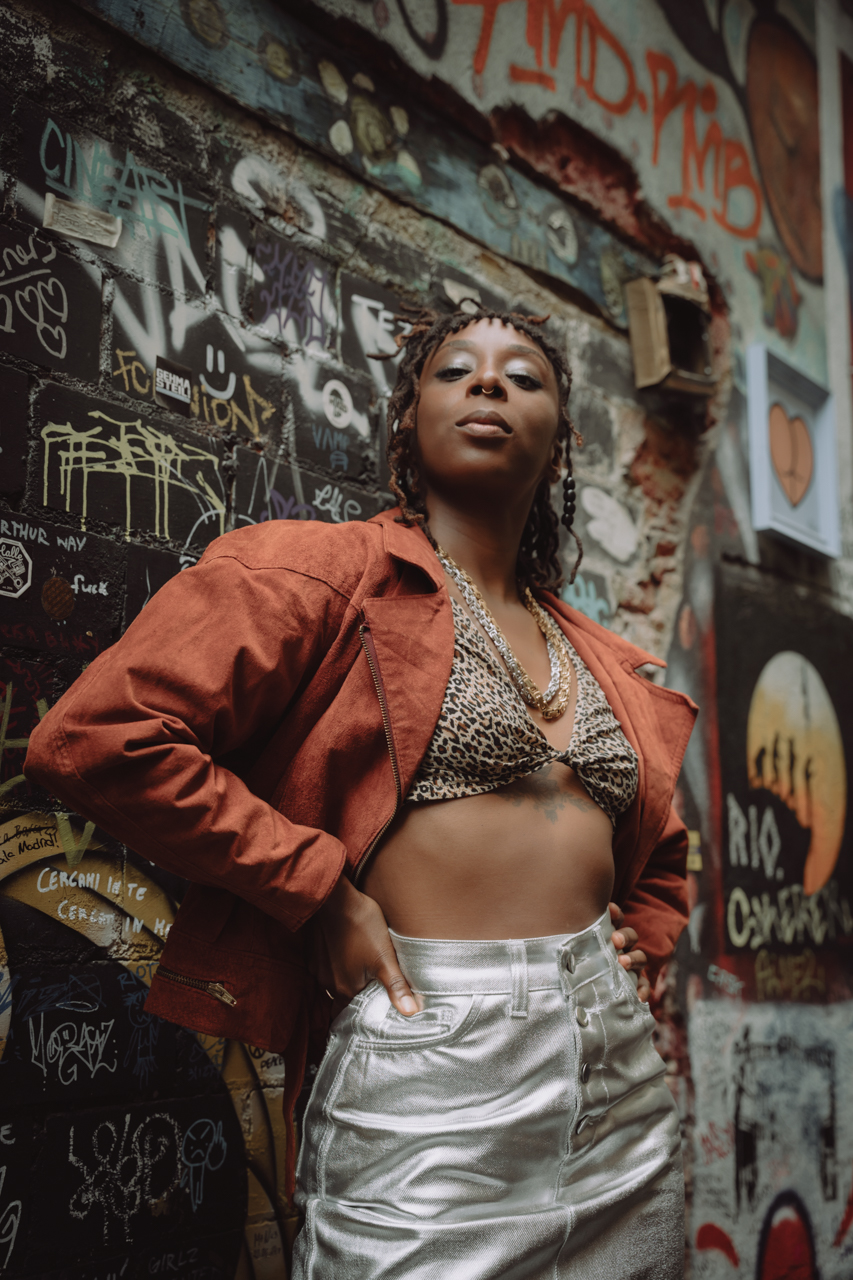
Sera Kalo (Photo: 5th House Imagery; IG: @5thhouseimagery)
Sera Kalo: It affects the conditions in which I create, physically and emotionally. It affects mobility: where I can perform, how I can travel, and with whom. And of course it affects finances. When governments panic, they cut the one thing that keeps people sane and grounded: culture. That hits hard.
Theresia Philipp: For me there are two aspects: content and cultural policy. Artistically it always has an impact. Music gives expression to events, and society needs that. In my opinion artists also have a responsibility here. In my own work this influence may sometimes be subtle, but it’s definitely present.
From a cultural-policy perspective it’s harder to remain optimistic. In Germany we do have strong associations like the German Jazz Union that does fantastic lobbying work. But we still lack the structures, which provide long-term security for artists. Looking at global politics doesn’t exactly make you optimistic in this respect.
Kaput has always carried the subtitle “Insolvenz & Pop”: when was the last time you were completely broke?
Sasha Zakrevska: “Broke” means different things to different people. Does it mean spending all your savings? Not being able to afford two vacations a year? Selling equipment to pay rent? Or simply not owning land or designer bags in your thirties?
Last year was challenging. I turned down all summer gigs because of burnout. Earlier that year I released a 15-track album, launched a label, organised a small tour, composed music for a film, and even presented research at UNESCO.
When I moved to Copenhagen later in the year I didn’t find the stable work I had hoped for. But transformation takes time, patience, and sometimes a tighter budget.
Adam Byczowski: I’d say I’m pretty much broke right now. But to be honest I’ve never really experienced financial stability as a musician. It’s something I’ve had to accept.
Sera Kalo: Last year. It was one of the most terrifying moments of my life, and I’m still healing from it. Even with a bachelor’s and master’s degree, even with a strong CV, it can happen to anyone. I’m grateful that I managed to get back on my feet. But I still hope music can eventually become a stable source of income for me.
Theresia Philipp: That was a long time ago, probably during my studies. “Broke” is also a buzzword that gets used too quickly. I lived on very little money in my 20s and couldn’t even afford a new saxophone case, but I wouldn’t necessarily say I was broke. There are worse examples.
During Covid things were precarious, of course. Concerts disappeared overnight and I was ill for a long time as well. As a freelance artist you have very little security in those situations. But I was also lucky, during that time I won two endowed prizes that carried me financially.
And the inevitable question: do you think about getting older, especially about pensions or money for later life?
Sasha Zakrevska: I started thinking about it in 2023 after a serious surgery, the same year I turned 30 .
Adam Byczowski: I’m not afraid of getting older. In many ways I actually look forward to it, because I hope that within the next decade there will be treatments for long Covid that allow me to get my life back.
As for pensions, I honestly have no expectations. I don’t come from money, and I consciously decided early in life to dedicate myself to music. A lot will change in the next 30 years, so I try not to think about it too much.
Sera Kalo: Yes, recently I’ve started thinking about it and learning more. It would be great if music schools, universities, and advocacy groups offered more resources and support on this topic.
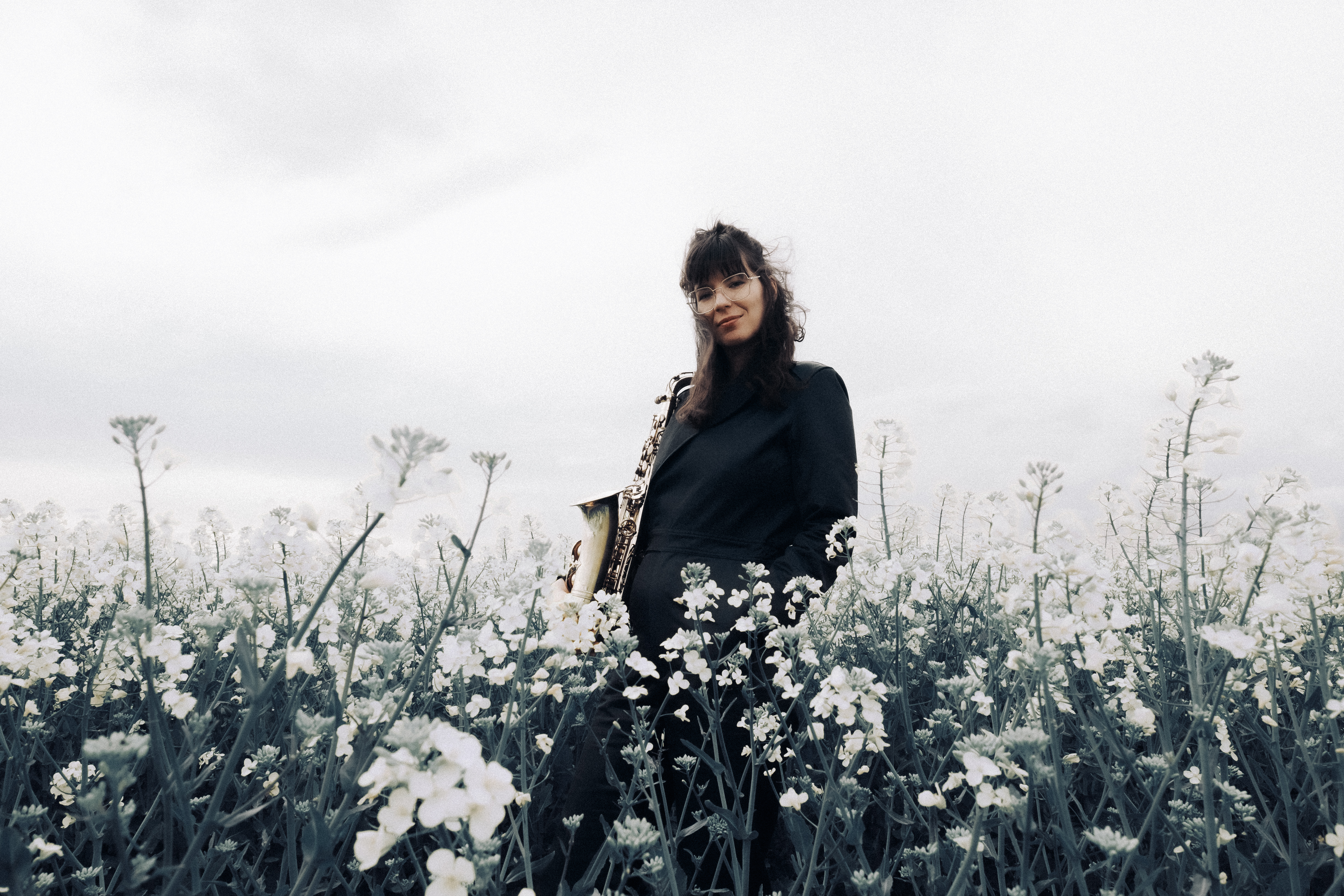
Theresia Philipp (Photo: Florian Fries)
Theresia Philipp: Personally and artistically, I love getting older. Business-wise I’m very good at repressing the thought.
Sometimes I think about it and become a bit cynical, joking that you never know if you’ll even reach retirement age. But realistically it doesn’t look great. My statutory pension wouldn’t cover even half my rent right now, so I’ll have to find other solutions.
And of course there’s also the issue that older artists — especially women — often become less attractive to the business. That’s unfortunately how our society works, even if jazz is still a bit better than the pop scene in that respect.
________________________________________________________________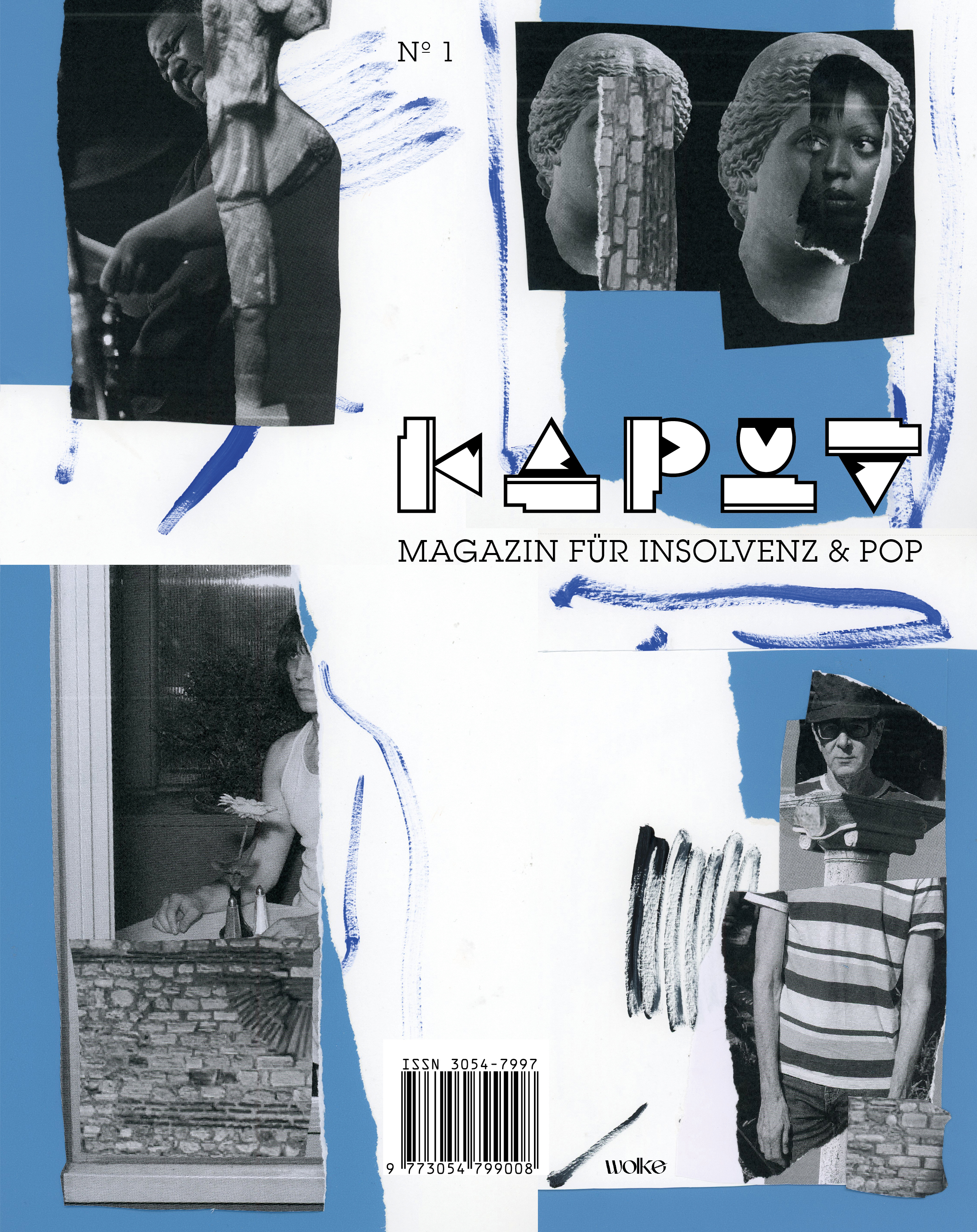
This article is featured in the first print issue of Kaput – Magazin für Insolvenz & Pop. Please order your copies of the kaput print magazine directly from Wolke’s website.
Bookshops and online retailers can find more information on Wolke’s worldwide distribution here.