

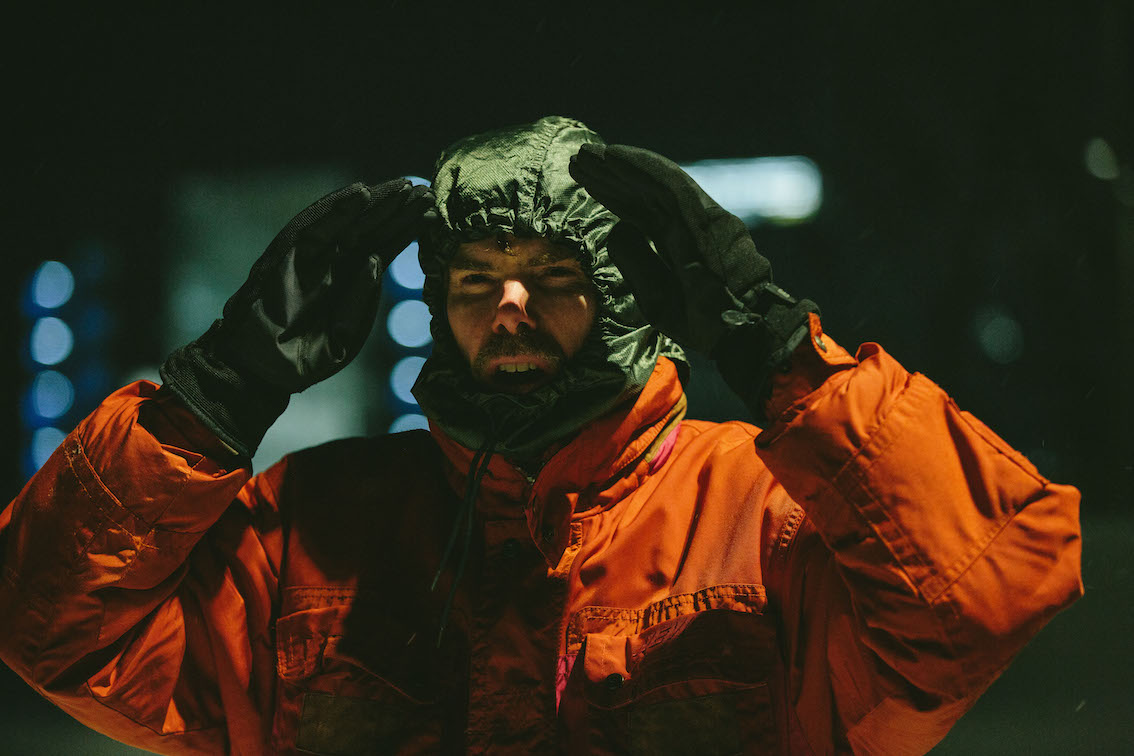
Karneef: „The script is written, the set is half-built, and I get to weave everything together exactly as I hear it”
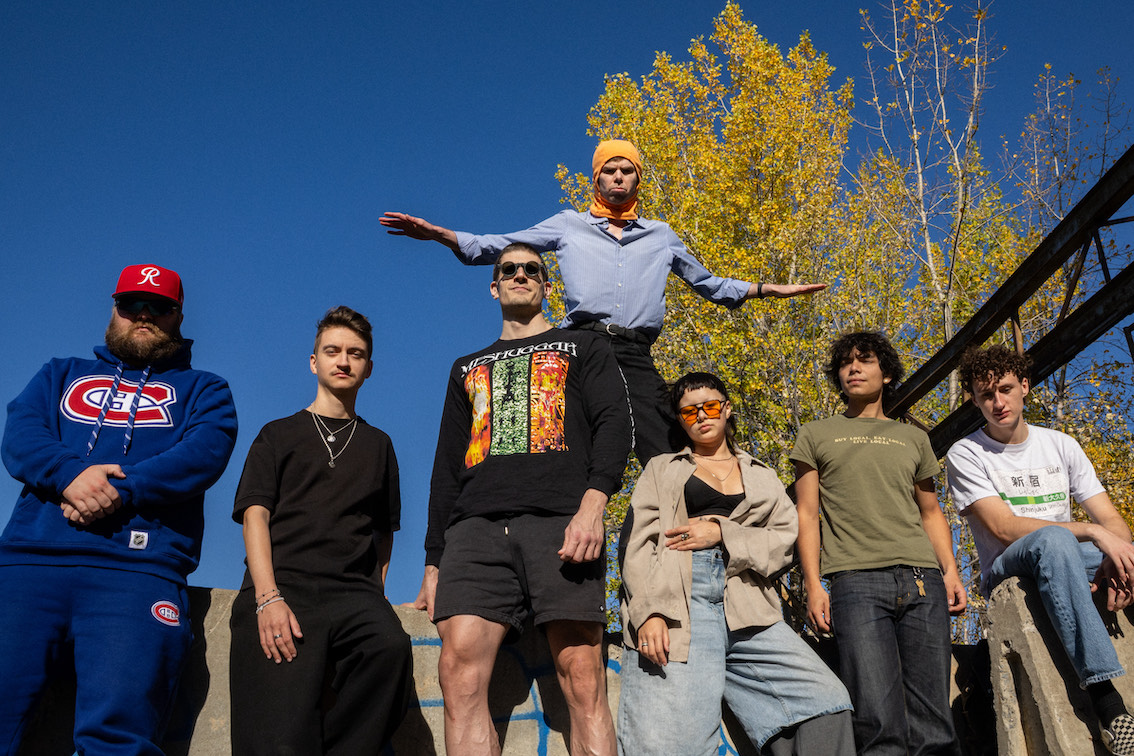
Karneef (Photo: Will Wilson)
Every November, M for Montreal turns the city into a vibrant hub of discovery — a showcase where the province’s restless, genre-bending artistic spirit meets international curiosity. Among the artists lighting up this year’s edition is Montreal’s own Philip Karneef, drummer, producer, and sonic sculptor. His album “It’s How You Say It” blends prog precision and emotional jazz fusion with a self-deprecating wit that’s pure Quebec eccentricity.
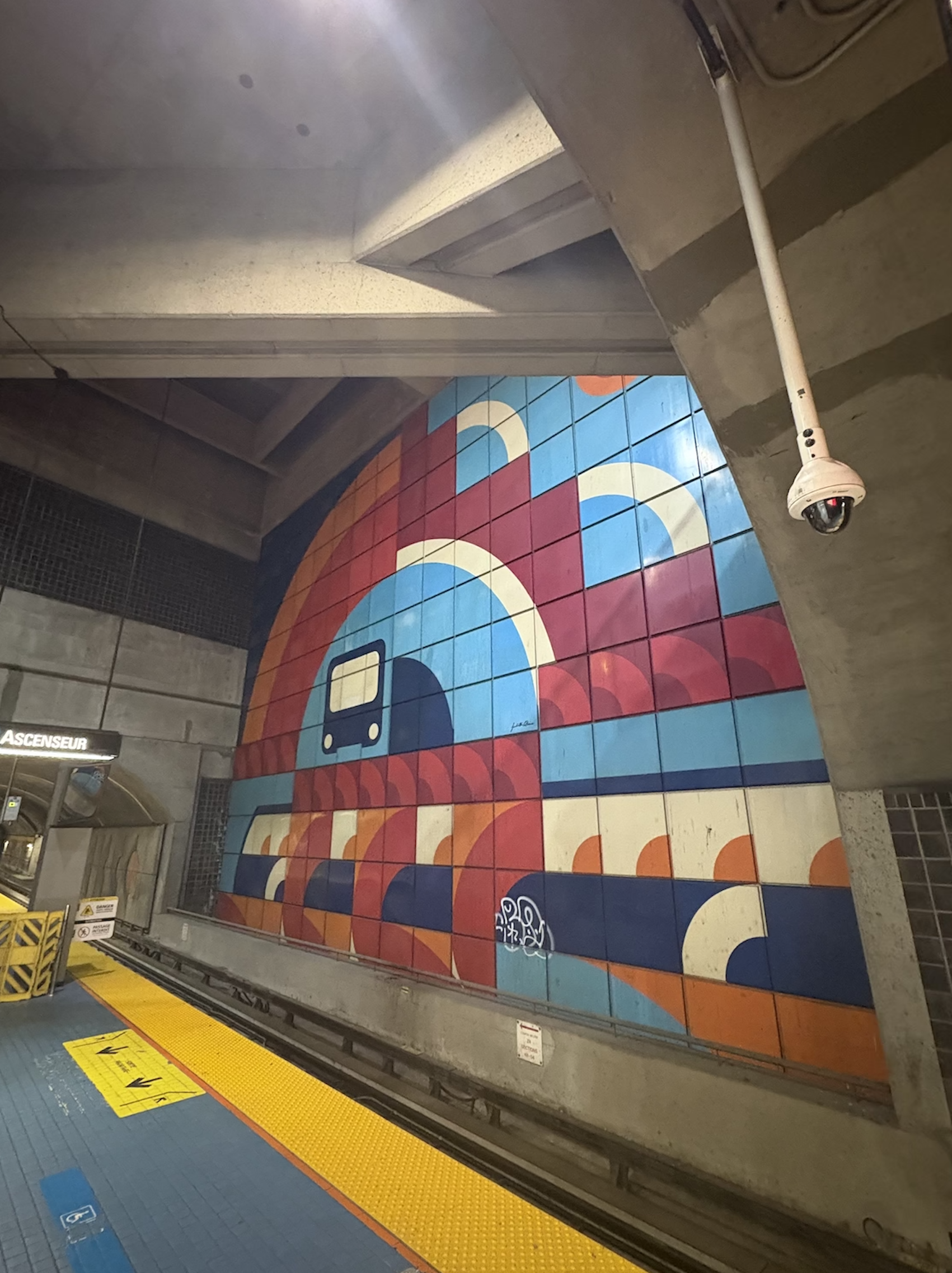
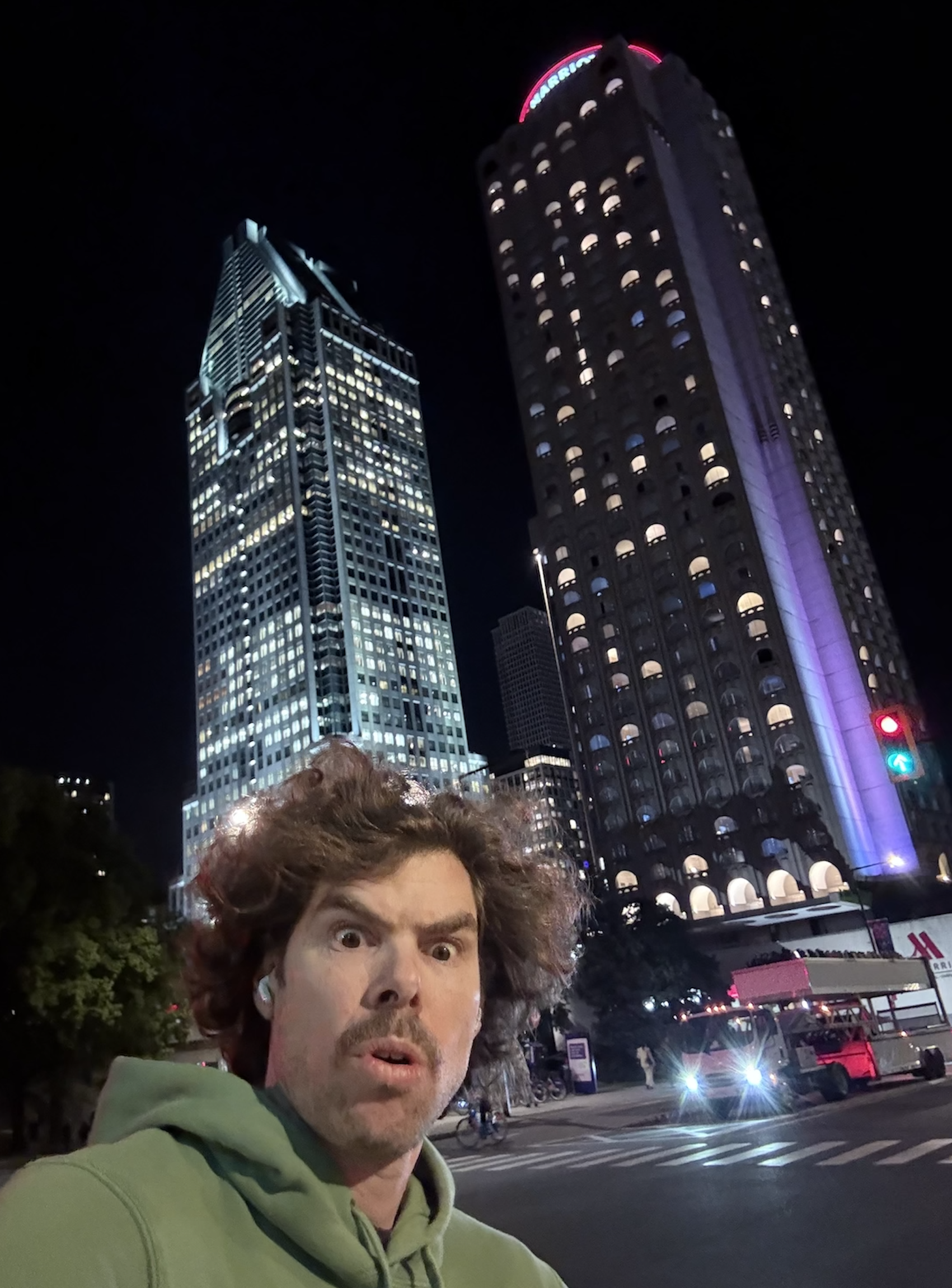
Karneef was so kind to answer the following kaput questions and send us some street shots of his hometown.
Philip, I spent the morning listening to your beautiful album It’s How You Say It. I’m curious about your influences — were there specific musical role models or records that left a lasting mark on you?
Karneef: A lot of my main influences came from discovering who played on the records I was digging up in high school. I’d go, “Oh damn, Steve Gadd played on this one — and this one too!” or “Wait, Phil Collins was in a jazz fusion band (Brand X)?” Some of the albums etched into my soul: “Romantic Warrior” by Return to Forever — Lenny White’s drumming on that one is unreal. “The Lamb Lies Down on Broadway” — Peter Gabriel’s last Genesis record, some of the best compositions ever written. Play or Die by Tony Williams, Group 87’s first album with Patrick O’Hearn and Terry Bozzio, Bill Bruford’s solo albums with Allan Holdsworth and Dave Stewart, Jean-Luc Ponty’s “Imaginary Voyage” with Mark Craney (RIP) on drums — who I just learned also played with Gino Vannelli, Montreal’s fusion king. Early ’80s Zappa, King Crimson, Rush, Zawinul, Weather Report — all that late-’70s fusion and early-’80s prog shaped me deeply. Too much to list, really.
-

- Montreal
-
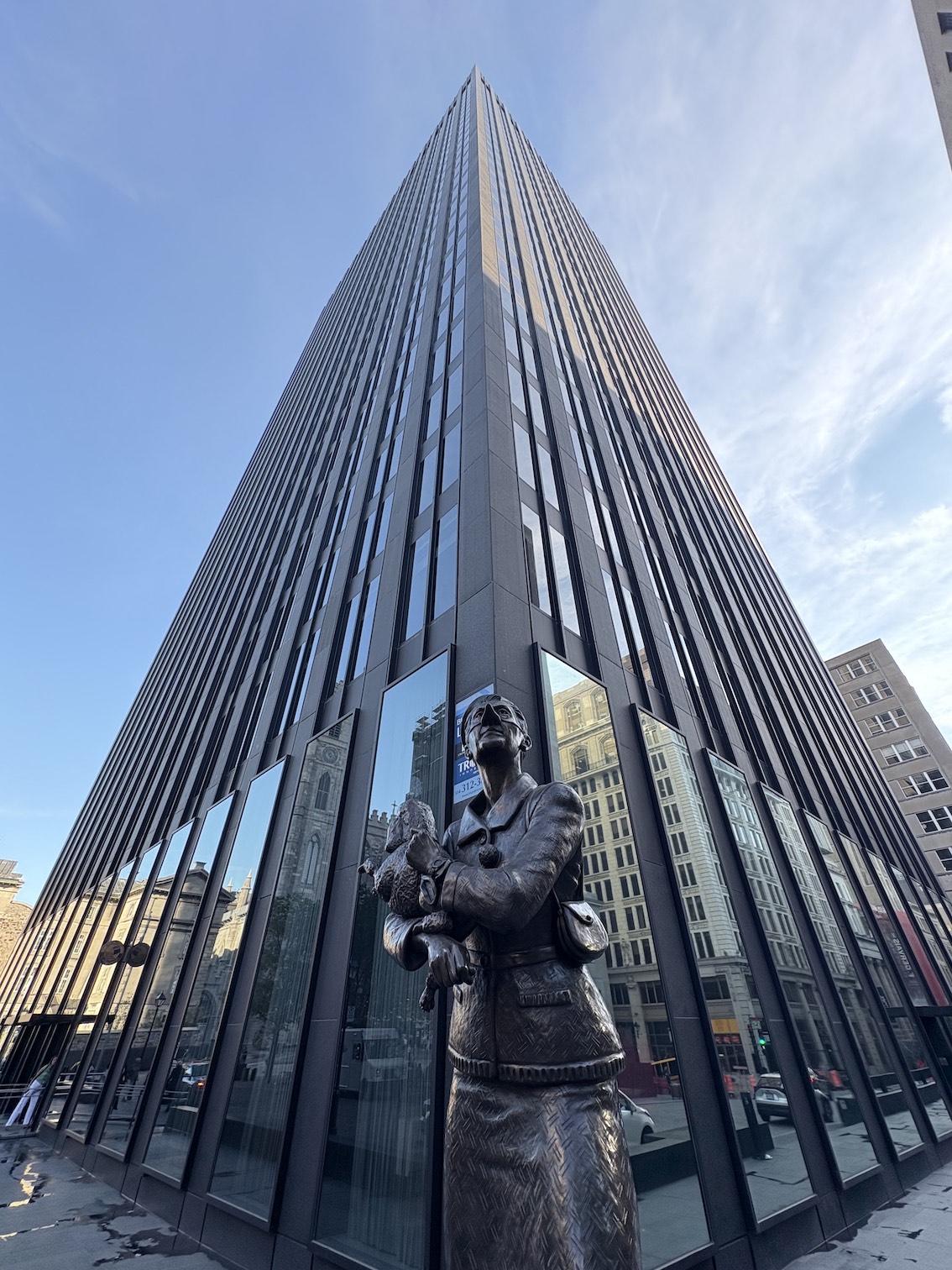
- Photos: Karneef
When it comes to writing — do you need to isolate yourself completely, or do you take in art, music, films, conversations while working?
Karneef: I’ve often wondered what finally pushes me to sit down and write — some universal force, I guess. I resist it for a while, then surrender. Once I start, I go all in. It becomes hard to experience beauty or emotion without wanting to use it in the work. So yes, I do close myself off a bit, but I try to stay somewhat social — just enough not to go insane. While making this album, I listened obsessively to music I love and took long night walks. Some TV shows really hit me — “Halt and Catch Fire” and “Mr. Robot” especially. I listened to “Gaucho” like a hundred times in one month. Then Group 87’s first album two hundred times. I get obsessed: Van Halen for a while, then Jean-Luc Ponty again now. That’s how I study music — I dive in completely.
 You worked with quite a list of musicians for the album — twelve altogether. As your Bandcamp says “composed, recorded, and mixed by Karneef,” I assume you’re both good at finding the right people and organizing them?
Karneef: I was unbelievably lucky that all these musicians even responded to my messages. I met Logan Kane and Nicole McCabe in Montreal when they were playing with David Binney and Louis Cole. They’re incredible — their duo Dolphin Hyperspace is next-level. We connected on Instagram later, and Nicole offered to do sax overdubs. Then she suggested Logan for bass. From there, they brought in Adam Ratner (of Knower’s “Do Hot Girls Like Chords?” fame), and by some miracle I got Anatole Muster on Strange Account.

When the album was nearly done, my live band was starting to gel, so my drummer Max Lazich recorded all the drums here in Montreal in two days. Everyone else tracked remotely — Logan, Nicole, Adam in LA, Anatole in Switzerland. I recorded keyboards (Housefly) and sax (Evan Shay) up north in the Laurentians at Slim Williams’ studio — he’s a legend from Le Studio/Morin Heights. Vocals and overdubs happened at the Barr Brothers’ studio, which they kindly lent me. I mixed everything myself — partly because I’m obsessed and partly because I haven’t met the right engineer yet. I spent hundreds of hours on it, and honestly, I think it sounds pretty great. If I’m going to obsess over something, it might as well be sound.
How did the recording process look — how many musicians were typically in the studio with you?
Karneef: Never more than one at a time. Maybe two — and one of them’s probably on their phone. I’d love to do more live-off-the-floor recording someday, but since I write everything “in the box” first, it’s more like directing a film one character at a time. The script is written, the set is half-built, and I get to weave everything together exactly as I hear it. Most of my heroes ended up working this way once technology allowed it in the mid-’80s. Still, one day I’d love to try capturing that live trust between players — like great dialogue in a film.
Was there a core band?
Karneef: There is. We were already playing shows with the “It’s How You Say It” songs before the record was finished — our first gig was September 2024, and the album dropped in April 2025. The band learned everything from demos and charts before things were finalized. Later, I wanted their sound on the record too, since we’d played so much together. Now when we perform, they’re sometimes playing parts they recorded themselves, mixed with tracks from players we admire — which is really special.
Let’s talk about the single “Cyber Criminal” — are you one, or did one do you harm? What’s the story behind it?
Karneef: I’m just obsessed with cybercrime. I listen to the CyberWire podcast every single day. I wanted to be a hacker at 16 but didn’t have the chops. So I write songs about it instead.
 The album artwork is by Rebecca Munce. What can you tell us about her?
Karneef: Rebecca’s a bona fide genius. Insanely talented and one of the hardest-working artists I know. She’s a role model for me — totally dedicated, always evolving, and deeply attuned to beauty and mysticism. She’s inspired by early video game art and is also a serious gamer. Toronto even commissioned her to paint a massive mural along the Gardiner Expressway, and her works sell before they’re dry. I’m so lucky she continues to do my artwork — she even designed the video wall visuals for our Jazz Fest show with Clowncore. Every time I see photos, I get emotional. It was stunning.
You mentioned playing for Sean Savage. When was that, and what did you take from it into your own work?
Karneef: I played bass for him on a full EU tour. We once got kicked out of a TGI Fridays in Moscow Airport for stealing fries off an abandoned plate. I played in a bunch of Montreal bands back then until they realized how unreliable I was. Sean was the last one — and the most encouraging. He told me, “Man, you suck at being in bands. Start your own thing. You’re fired.” Shortly after, I began my first solo record. We’re still friends, thankfully.
Any other past projects people should know about?
Karneef: I drummed in a great band called HEAT (fronted by Susil Sharma — his new project Karma Glider is killer). I also played in Doldrums, now called Crasher (who are at M too). Both bands were great, but I imploded a few times. Showed up to rehearsals and couldn’t even talk. Once fell down icy stairs with my bike, broke my ankle, and still toured on it. Eventually I hit bottom, asked for help, and got it.
Kaput’s subtitle is “Magazin für Insolvenz & Pop” — we often talk about what it means to make art in unstable social, political, and economic times. Can you make a living from music?
Karneef: I love that subtitle. Honestly, I wouldn’t be breaking even without the support from Quebec and federal arts funding. We’re lucky, though it’s still a tough process — lots of rejections. Somehow they believed in this record, and I’m grateful. When I started writing in 2021, I worked at a camera store fixing MacBooks and doing data recovery. I still do that from home now — mostly for artists, which is fulfilling. I do some composition work too, especially for games, and I just got a 24-track tape machine to start producing for others. So… can I live off it? Almost. One day at a time.
You’re playing M for Montreal on November 19 at La Sotterenea (4848 St. Laurent). Who shares the stage, and what can we expect?
Karneef: We’re playing with MISC — they set up right in the crowd, very early-2010s indie energy. Their sound is this angular, funky, indie-jazz thing. It’s a late show, so we’ll have the room’s full attention. I told my band to shred the camel like their lives depend on it — it’s going to be wild. I love my band; they’re completely cracked.
 Karneef’s 5 M for Montreal Must-Sees:
Truck Violence – Nov 19 @ Foufounes Électriques
Napoleon Bonfire – Nov 21 @ Quai des Brumes
Crasher – Nov 20 @ L’Escogriffe
PISS (with Nap Eyes) – Nov 22 @ Toscadura
BadBadNotGood (with Colin Stetson) – Nov 22 @ L’Olympia