

Testimony to self-creation: Lana Del Ray’s “Lana Del Ray A.K.A. Lizzy Grant”
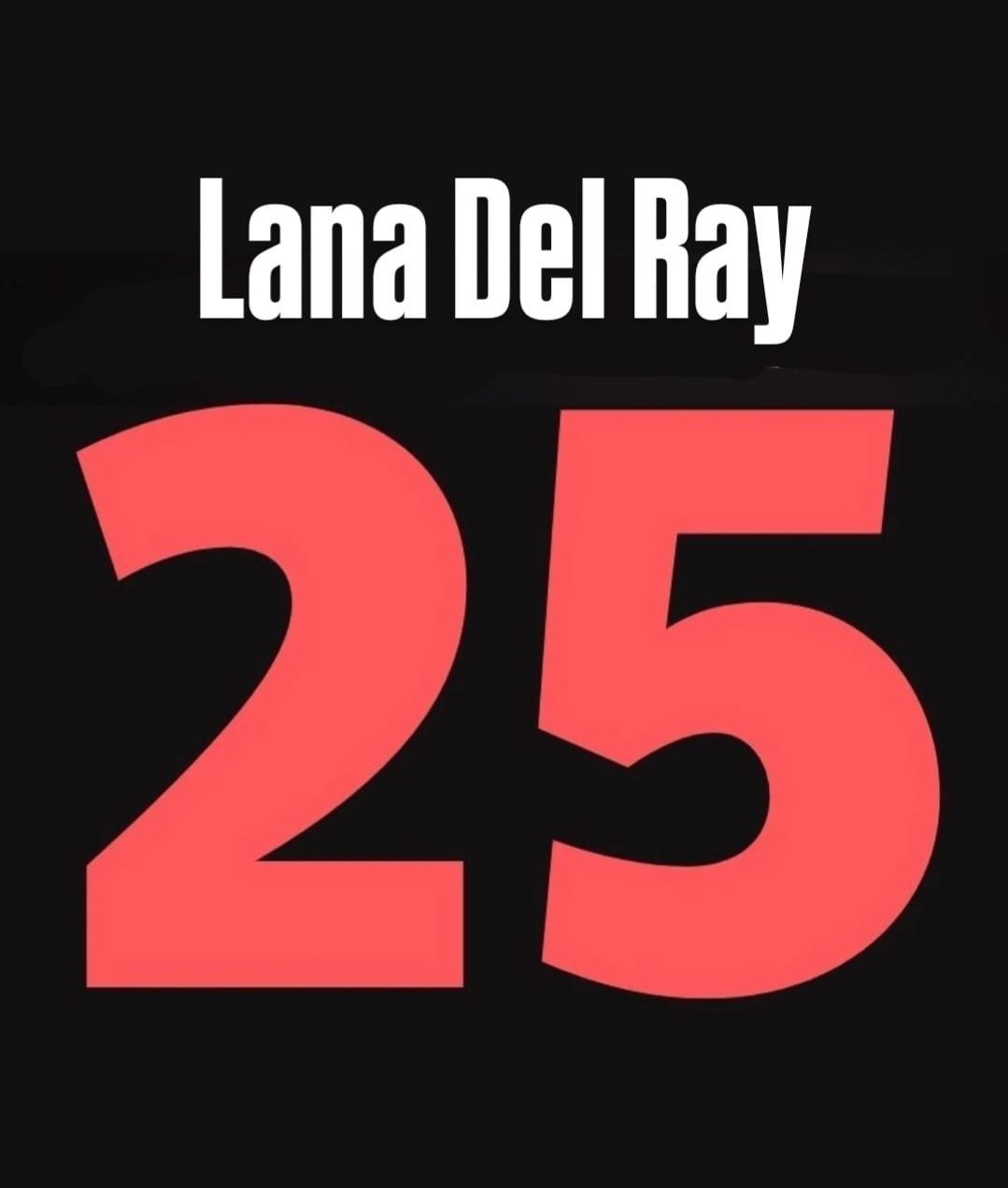 Lana Del Ray
“Lana Del Ray A.K.A. Lizzy Grant (Lana Del Ray)”
(5 Points Records)
When a fellow student introduced me to Lana Del Rey in the fall of 2011, it was as if I was witnessing the dawn of a new era: this style of singing, this elegy, this originality—I had never heard anything like it before. “Video Games” had just been released, and apart from some blurry old clips and a few rumors on US music blogs, there was no information about her yet.
While “Born to Die” was eagerly awaited, a colleague at work burned (yes, burned) me a copy of her actual debut album, “Lana Del Ray A.K.A. Lizzy Grant” (she was still spelling her name Ray instead of Rey at the time) from 2010, which had already been taken off the market by then. Her debut is a testament to self-creation. I was fascinated by the maturity of her aesthetic—at once dense and open to interpretation.
I found the discussion about whether and how fake Lana Del Rey was to be annoyingly simplistic: people accused art of being art, while at the same time evaluating it as reality. The question with pop is not “Is it real or not?”, but “Why is it staged this way?”
During this commotion, I preferred to immerse myself in her universe full of cross-references, allusions, and double meanings. In the opening seconds of the opener “Kill, Kill,” she sings about standing in the shower and planning to leave her lover.
The song “Put Me In a Movie” is remarkable, with lines like “If he likes me, takes me home / … / Come on, you know you like little girls / You can be my daddy”: In her (repeatedly misinterpreted) narrative of submissiveness towards older men, she exposes their abuse of power upon closer inspection.
Lana shows her sense of humor again with “Brite Lites,” a jumpy techno track (!) with Bollywood samples, on which she murmurs sentences as if in a trance—such as “I look for you in magazines / I’m taking off my wedding ring.”

On “Lana Del Ray A.K.A. Lizzy Grant (Lana Del Ray)”, her glamour is already evident, but it is still counteracted by her nerdiness and weirdness – an eccentricity that was unfortunately polished to a high shine in some places on “Born to Die”. She re-recorded the song “Yayo” for the “Paradise Edition,” but the version on “Lana Del Ray A.K.A. Lizzy Grant” has something so raw and haunting about it that it remains one of my favorite songs of hers to this day. On YouTube, you can find a few videos from around 2008 in which she plays the song live, once even on electric guitar herself – I love every one of these performances.
Overwhelming—perhaps the centerpiece of her debut album—is the elegant ballad “Oh Say Can You See,” a kind of somnambulistic deconstruction of the US national anthem in which she sings about lonely souls, quoting her heroes Nirvana. This song is as Lana as Lana can get. Even back then, she was a sensational songwriter – and a prolific one at that: her unreleased songs alone could fill at least five hit albums. Old treasures like “Children Of The Bad Revolution,” “Disco,” and “Get Drunk” can still be found on YouTube, as can the abysmal pieces of classic songwriting about drug addiction and homelessness that she sang (with her still bell-like siren voice) under her former alter ego May Jailer.
But alas, no sooner have I started writing about Lana Del Rey than I find myself reveling in the past. Because the reason I chose her as my pop album of the quarter is that, since Lana, it feels like all the big artists have sooner or later sounded like Lana. Her sound has shaped an era—and continues to do so today.
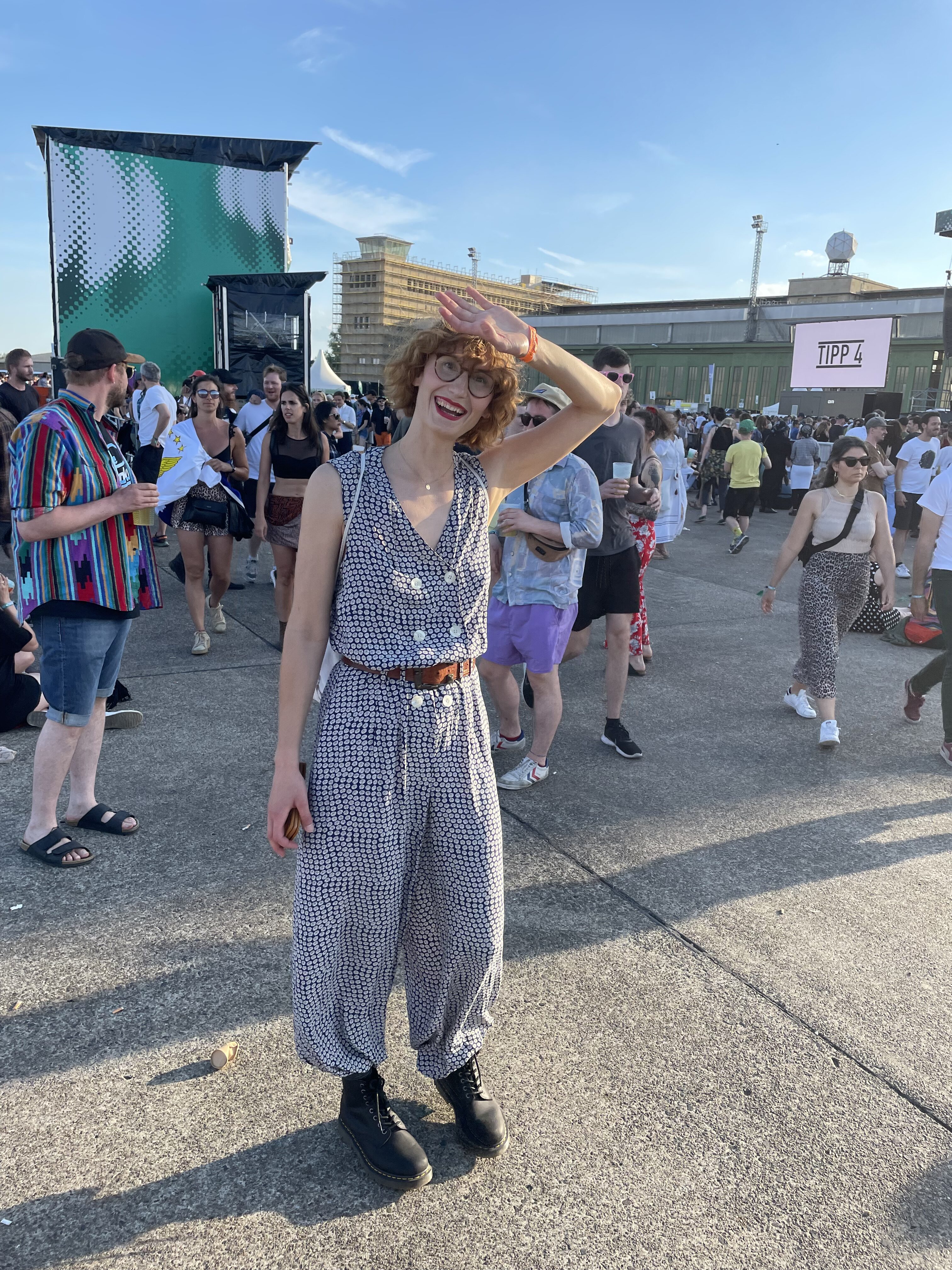
Ariana Zustra im Happy-Lana-State-of-Mind-and-Body