

Lady Starlight “It’s simply fun to be a disruptor” / “My work is a form of resistance against the expectations of society”
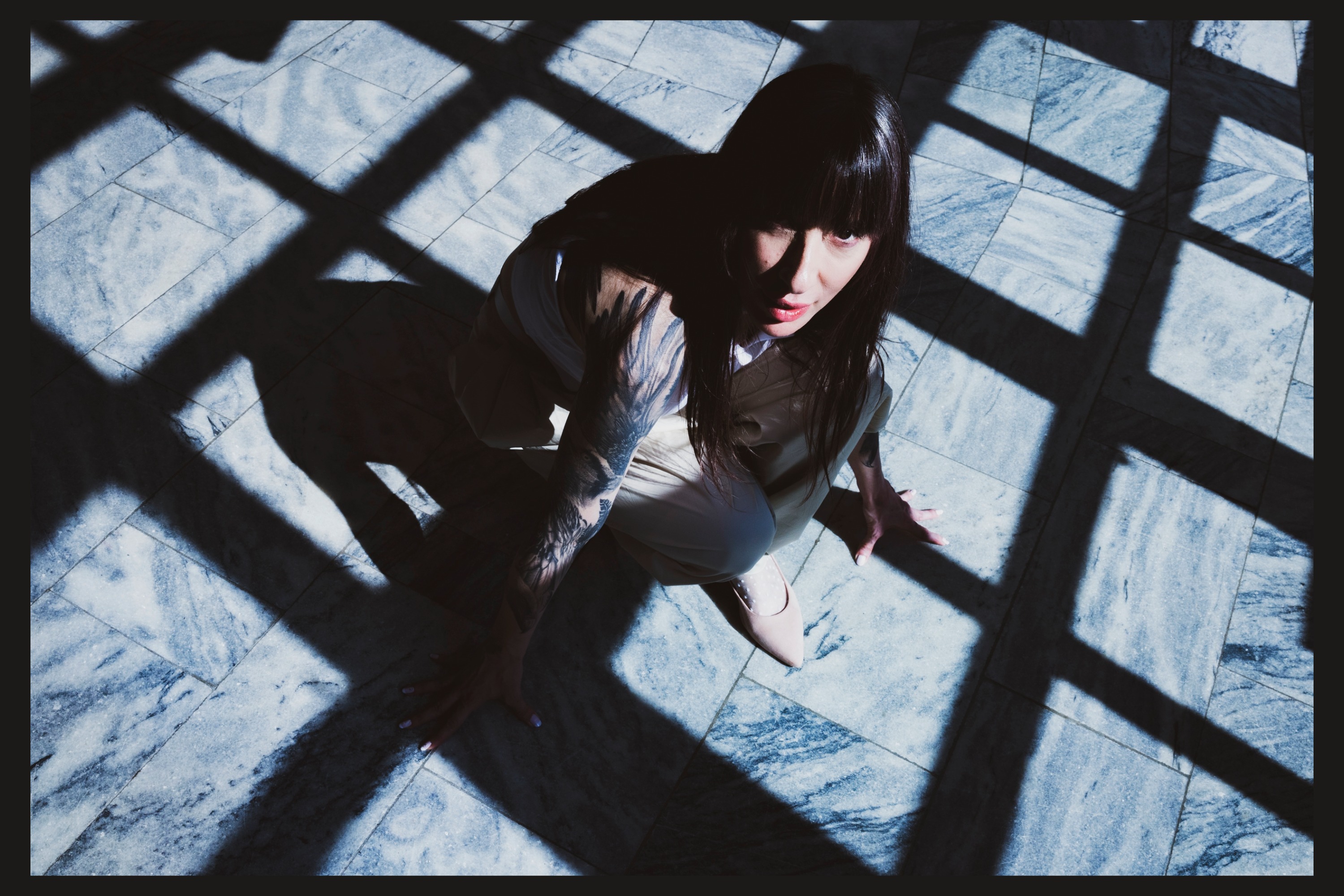
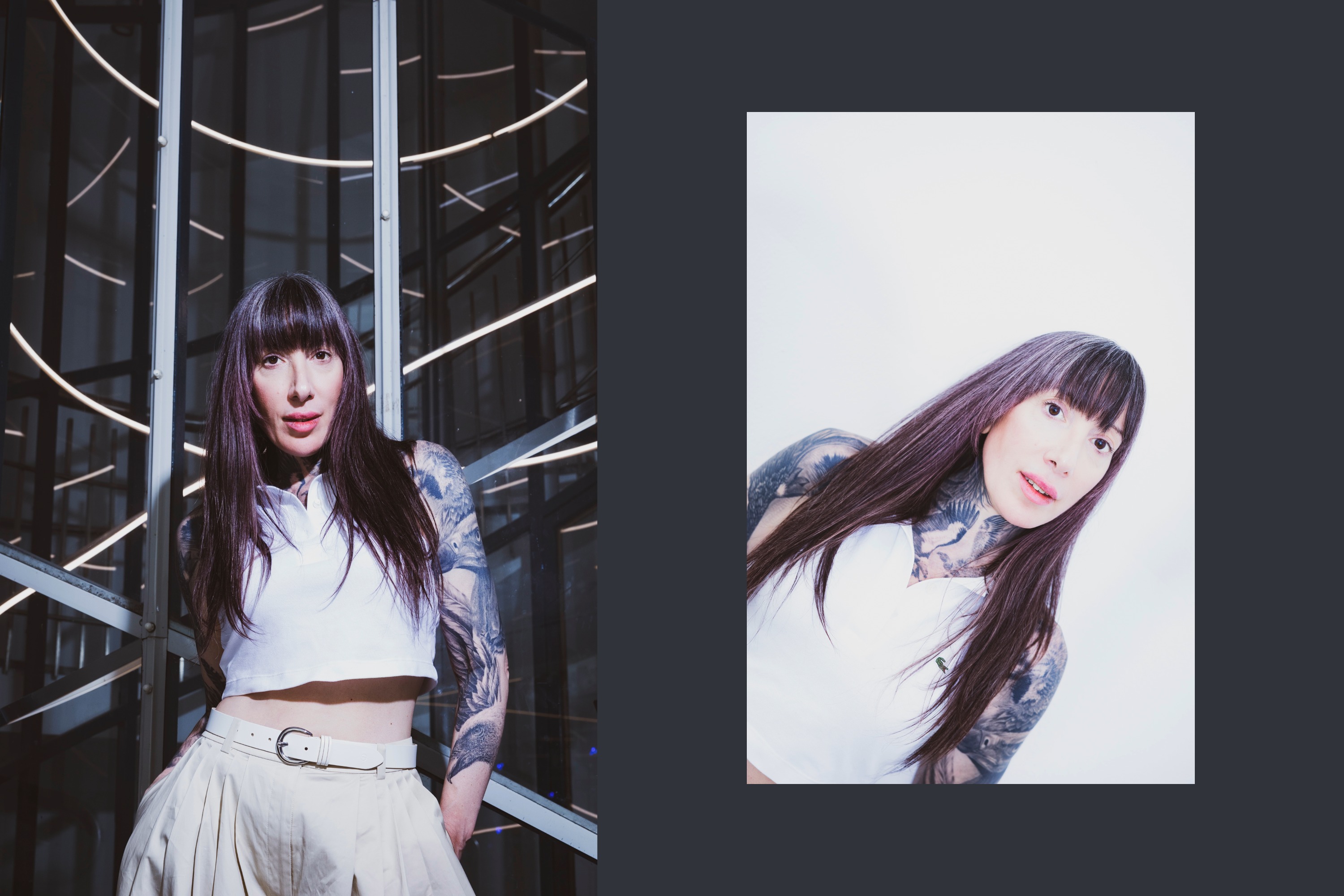
Lady Starlight (Photo: Katja Ruge)
Lady Starlight, born Colleen Martin in 1975, has spent the better part of two decades refusing to stay in one musical room. A New York-based DJ, live performer and self-described “weird person,” she has moved from glam rock and heavy metal to hardware techno, performance art and the more unruly edges of electronic music without ever treating genre as a boundary. Her career first came to wider attention through her friendship and collaborations with Lady Gaga, whom she met in Manhattan in the mid-2000s. Together they created the chaotic New York Street Revival and Trash Dance parties, later performing as Lady Gaga and the Starlight Revue and appearing at Lollapalooza in 2007. Starlight’s role was never simply supporting act: her records, costumes, attitude and unapologetic theatricality helped shape the environment from which Gaga’s early persona emerged.
Since then, Starlight has followed a considerably less predictable trajectory. Her raw, hardware-based live performances have established her as a distinctive presence within contemporary techno, while releases on labels including Figure, Stroboscopic Artefacts, Ostgut Ton and Tresor have connected her work to the genre’s more uncompromising traditions. Her discography includes “Untitled” (2017), “Which One of Us Is Me?” (2018), W (2019) and “3 Days From May” (2020), alongside the earlier release “Operator” (2014).
In our accompanying interview, Starlight speaks with the same stubborn independence that defines her music: about discovering The Monkees, the women who taught her the pleasure of being a disruptor, the importance of refusing musical fashion, and the obsessive discipline required to remain an artist. Her answers reveal a practice built on curiosity—and on the conviction that following your own strange instincts might be the most reliable form of direction.
Which music was the first to touch/inspire/move you? What made it so special and standing to you?
Lady Starlight: I guarantee no one will expect this one: The Monkees. There was very bizarre moment during my childhood where the band and their TV show from the 60’s had a massive resurgence. They even ended up being (back) in teen magazines twenty years later. I absolutely loved the 60’s style and wanted to dress like everyone in the show. This started my connection to music and fashion. And because it didn’t look like anything else at the time, it also set a path for me towards alternative culture.
Are you able to share the process of evolving your artistic identity with us?
Lady Starlight: It’s very simple, but not very easy. I follow what makes me excited. I never think about how others will perceive the transformation. Whether it was my friend group in the past, or my audience as an artist in the present. People are extremely critical of artists who change directions and it’s really scary knowing you might be on a path towards career destruction. My attitude is that if your passion is genuine, it will work. Being delusional helps … for everyone in careers that have an extremely low chance of success.
Please name female artists without whose music you wouldn’t be producing music? Why those?
Lady Starlight: Poison Ivy of The Cramps, Doro Pesch, and Wendy O Williams to name a few. Their major influence on me is not the music directly, it’s how they occupied the spaces they were in. They were in hyper masculine music scenes but did not attempt to downplay their femininity to be taken seriously. To me, that demonstrated an absolute confidence in their own integrity. And that it’s simply fun to be a disruptor. It turns out that’s true haha.

What do you think sets your “voice” or creative expression apart from other’s?
Lady Starlight: I think am just a weird person. Having a unique voice is effortless when this the case, haha! I have an extremely active imagination and I’m completely content in my own world. I pay little attention to what my peers are doing, so I’m not influenced by what is popular at any given time. At times I’ve tried to make more popular techno, but it doesn’t work!
What empowers you or helps you to overcome obstacles and challenges in your work?
Lady Starlight: Mostly just being a stubborn and obsessive person. But that’s not exactly inspiring, haha!
Obsessive stubbornness aside, the hardest thing for me is focus. As a musician, you are never ‘done’. So setting mini goals is very important. This is super difficult for me. Changing something about my workflow helps. Processes that I would have done without thinking, suddenly require me to be focused. That has a knock on effect.
Which music did you buy most recently that carries a lot of value/meaning for you?
Lady Starlight: Big Star. Radio City. I would say that the majority of my current audience are unlikely to know this band. Big Star are one of the most influential rock bands from the 70’s that never had commercial success. I actually thought I already owned it! Their sound is completely accessible to a mainstream audience while also being completely inaccessible. It’s so unique and I cannot put me finger on what qualities make it so. This is something I would like to project with my own music.
What’s a secret guilty pleasure, an idiosyncrasy of yours or something that would surprise people about you?
Lady Starlight: I obsessively follow both professional road cycling and tennis. In many ways sports are the opposite of the creative arts, but when it comes to individual sports, they can be similar in some important ways. 95% of the work it takes to succeed happens in private. You are working everyday doing things that are repetitive and frequently boring. The actual performance is what you spend the least amount of time doing. Exactly the same as musician. Hearing from the athletes how they stay motivated day to day and manage their emotions during a match/race etc. is very valuable information for a touring solo artist.
Do you see a connection between your femininity and your work? And if so what is it?
Lady Starlight: It is so connected that I’m not sure I can separate the two. My work is a form of resistance against the expectations of society. I could not relate any less to the societal expectations of women. Sadly. it takes almost no effort to rebel against them…and still doesn’t. When I started playing live techno, the standard for competency was so low for women that all I had to do was use one patch cable on a modular synthesiser and people were impressed. As a contrarian, I absolutely loved seeing the confused emotions on people’s faces, so I pushed it even further by leaning even more into my femininity.
What is your favorite app/technology/instrument to create sounds with?
Lady Starlight: Elektron Analog Rytm is the best drum machine ever in my opinion. I could not imagine using anything else live and rarely feel like I need anything else in the studio. Except the kick drum on the MFB Tanzbär… if you know, you know 🙂
Most recently I’ve started using Oxi Instruments sequencer One. This was a game changer. When writing new tracks, changes in my workflow are more consequential than new sounds.
This interview with Lad Starlight is part of the ongoing photo-project “Electric Lights – Women in Electronic Music” by Hamburg based photographer Katja Ruge and Kaput co-publisher Thomas Venker focused on the role of women in electronic music. Each photoshoot is accompanied by a short interview, based on a personalised questionnaire. The interviews will be published on the kaput website on a monthly basis, before finding their way into a book.