

Daniel Avery “The older I get, the more I realize that the exciting thing about an artist’s journey is the journey”
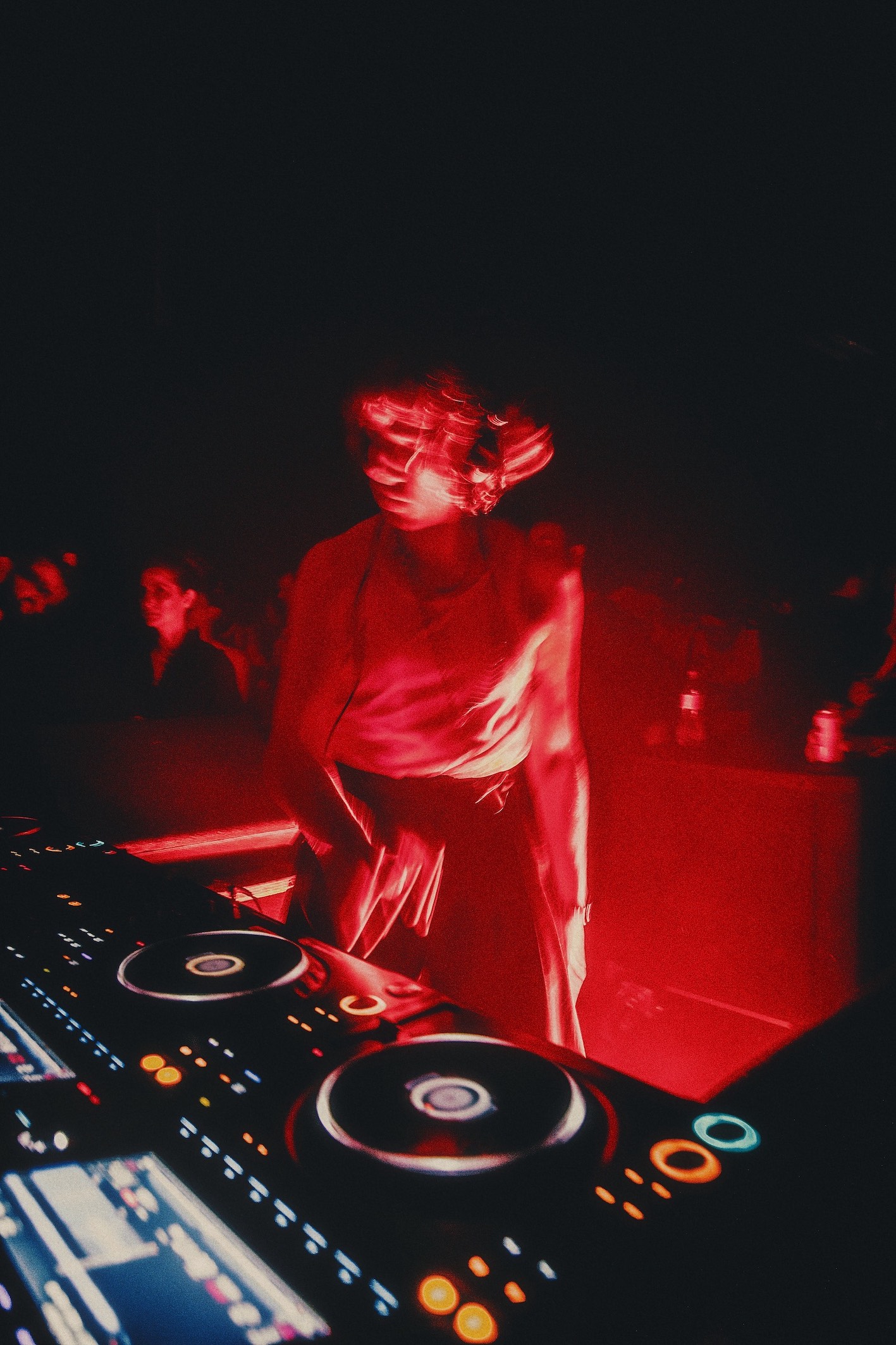
Daniel Avery, Making Time, 2024 (Photo: Uv Lucas)
It’s 10 a.m. in London, and Daniel Avery appears on screen with a calm that feels almost counterintuitive for someone who has spent so many nights submerged in the frequencies of the dark. “I love the morning,” he says, smiling softly. “I treat the studio like a day job, so I’m always there early.” It’s a small detail, but it unlocks something about Daniel Avery and his music—the discipline beneath the drift, the clarity inside the fog.
I’ve crossed paths with Avery a few times over the years: twice in Lyon, at Les Nuits Sonores, where his sets unspooled like liquid light through the industrial dusk; later in Barcelona, at a Sonar off-party with the late Andrew Weatherall, the two trading stories about transcendence and distortion; and most recently at Dave P’s Making Time Festival, where Avery played a furious b2b with DJ Stringray. Each encounter revealed a different shade of the same intensity—a devotion not to simple spectacle, but to sound as a way of being.
For more than a decade, Avery has traced his own path through the borderlands of techno, ambient, and noise. From “Drone Logic” to “Song for Alpha”, “Love + Light” and “Ultra Truth” his music has always chased something just beyond the club’s horizon. With “Tremor“ he reaches now a new threshold. The album folds shoegaze textures, industrial abrasion, and ambient introspection into a single, shimmering continuum. It feels less like a collection of tracks than a life’s accumulation of listening.
Daniel, this is a great record, with so much to explore. This album feels like your long-held dream coming to fruition, exploring the full scope of your musical development.
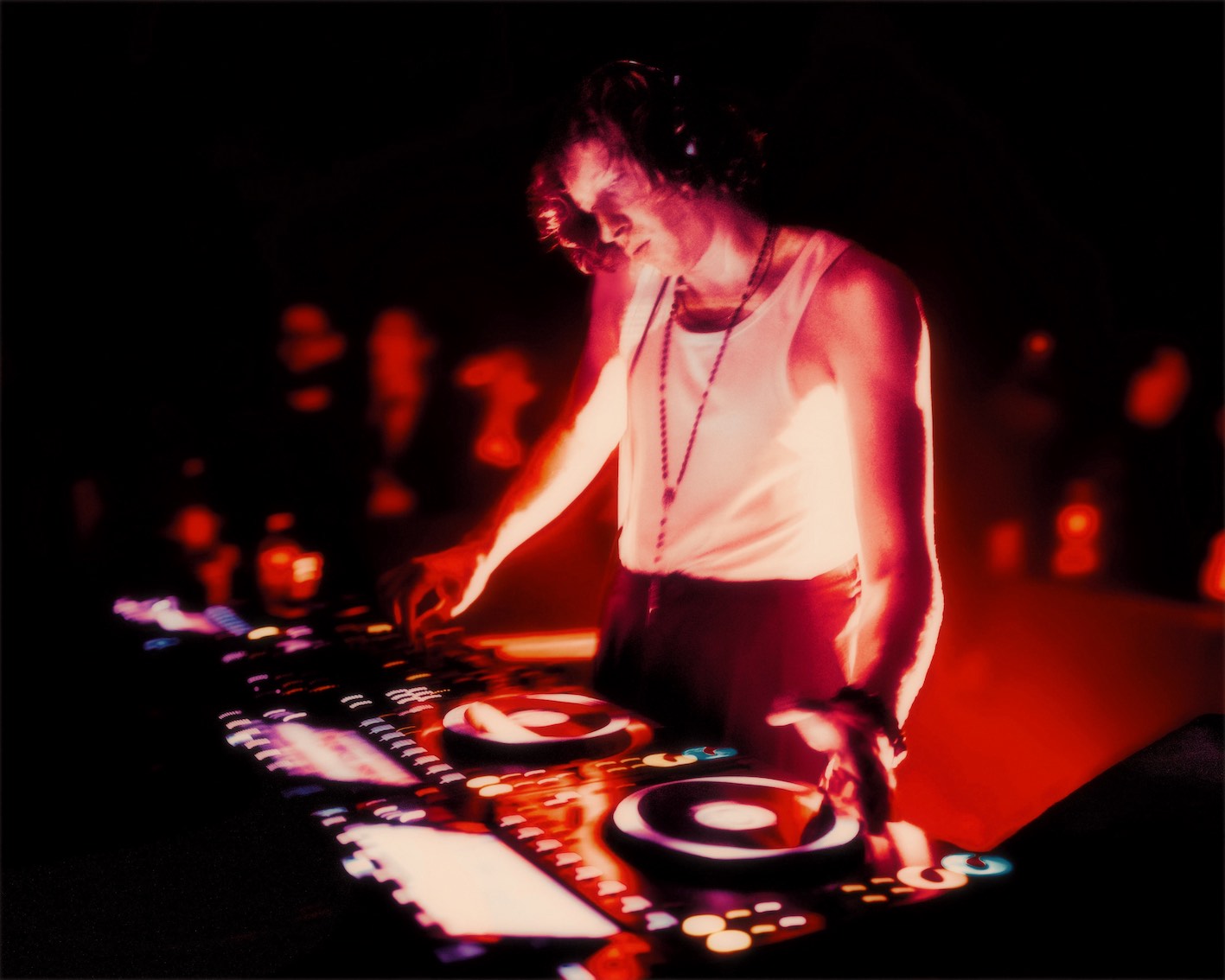
Daniel Avery, Making Time, 2024 (Photo: Uv Lucas)
Daniel Avery: Well, yes and no. Every album I’ve made so far, at that period in time, has been the album I wanted to make then. So this isn’t me saying, “Oh, I’ve always wanted to do this” – because I think it could only have happened right now. This is everything that’s been fed into me musically my entire life. My first loves were guitar music, shoegaze, rock… and then there are elements of ambient music, techno. So many things have just sort of come back to me.
I guess one explanation—and I’m not entirely sure if it’s correct—is that this is the first album I’ve made outside of lockdown. Before COVID, I was touring relentlessly and probably starting to define myself as a touring artist. Then everyone had to stop. I realized that I’m not a touring artist anymore, but I can still be an artist and I can do whatever I want. There’s an element of freedom that I can hear on this record, and I certainly felt it whilst making it.
That makes sense. When I first got into electronic music, I was going to hardcore shows at night and then to acid house parties afterwards. They were never separate worlds for me; it was always one habitat. You’ve also always had these two paths connected, right?
Daniel Avery: I feel exactly the same way. When I first started going out, I was going to metal shows or indie shows, but then also to techno raves, and I just loved all of it. None of it really felt that different to me. I think it’s a shame, the division lines that have been drawn throughout genres these days. I don’t see any point to it.
If we want to go back further, something like the spirit of acid house… I wasn’t there the first time around, but I feel a lot of its energy was passed down to me. The whole idea of that movement was that everyone was invited, everyone’s the same, and you can be from any background and just come and join this party together. That’s why I find it saddening that in the techno scene, there seem to be a lot of rules these days. You know, you either like hard techno or you like this, or you can’t come into a club because you’re dressed a certain way. I think that’s the opposite of what I love about that scene. This album is not a statement about that, but that energy is there—that all of these things just make sense. I love being able to draw a line between all these different genres and have them all feel like they come from the same world.
You actively push against genre borders, yet one can hear so many influences: industrial, noise, ambient, and still techno. Is it an easy process in the studio to make that feel natural? On paper, it sounds incredibly difficult.
Daniel Avery: On this record, I can safely say the whole process was really enjoyable and felt, maybe not easy, but straightforward. It was the classic case of the more I relaxed, the easier it became. As soon as I told myself, “Whatever I make here is still going to sound like me; however hard I try, it’s still going to have my DNA,” then it felt fine. I think it all still sounds like me in some way. It’s one of those cases where you just have to try a little less hard and it flows better.
In the liner notes for “Tremor“ you speak of seeking transcendence, a word that immediately brings to mind our mutual friend Dave P and his legendary Making Time parties in Philadelphia, where euphoria and transcendence is a collective pursuit.
What I wonder, what other music has recently given you that same feeling of happyness and transcendence? .
Daniel Avery: That’s a good question. There are a lot of new shoegaze bands around who are really interesting, who are super young but take this influence from 30 years ago and make it sound new. Bands like Bedroom or NewDad, who are on the album. There are some great American bands, like one called Julie from LA, another called Glixen. I find there’s so much great new music around at the moment. I feel really optimistic about the state of the musical world.
That connects to what I was thinking about transcendence. The kind you cultivate on the album, and the kind someone like Dave P cultivates with Making Time, is a transcendence which is quite grounded. It’s not just about getting lost in the moment, but also about caring for others and building a community together.
Daniel Avery: That’s a lovely way of putting it. That’s why it was very important for me to make it known that this album was a collective effort. I feel that everyone on the record played an equal part. It has my name on the cover, but I’m just one member of this collective. It was really enjoyable to have more people involved, and it’s something I just want to keep doing now. That sense of community felt really inspiring.
How did you approach collaborators like Alison Mosshart (The Kills) and Walter Schreifels (Quicksand / Rival Schools)? These are significant names for many of us. (other guests on “Tremor” are bdrmm, Julie Dawson (NewDad), yeule, Ellie, Art School Girlfriend, yuné pinku, and Cecile Believe)
Daniel Avery: It was a mixture of things. Most of the names on the record are artists I’ve met through touring or have naturally formed an organic relationship with. But then we have Alison and Walter, and both of those voices have literally soundtracked my entire adult life. Discovering them in my teenage years, their voice is now so familiar to me. They came about through friends or chance conversations. But even though these people have been heroes of mine forever, when I connected with them, it felt like I had known them for a long time because I had known their voice for over 20 years. Everything felt really natural.
It’s funny you say that, because Walter’s voice has also been with me since I was 14 and I saw him with Quicksand. It’s a message that an artistic path doesn’t have to be about ageing or being the sound of the now. You can just stay true to yourself, and things will come.
Daniel Avery: That’s a great point. I used to be very afraid of that when I was younger, that you only got one, maybe two chances, and then you might be forgotten. But the older I get, the more I realize that the exciting thing about an artist’s journey is the journey. It is them building a body of work over time, and that can change and morph, but when you take a step back and see this long journey, that’s fascinating. It remains relevant throughout. So I feel much more comfortable with that idea now. People like Walter and Alison are the perfect examples of that.
To go back a few steps, have there been specific concert moments that made it click for you, where you realized you wanted to be an active part of this community, not just a consumer?
Daniel Avery: I date that feeling all the way back to the first concert I went to when I was 11. My dad took me to see The Prodigy in our hometown of Bournemouth. This was 1997, on the “Fat of the Land” tour, when they were kings of the world. As you can imagine, it physically shook the room, but it also shook me. Something shifted in me that day. I’ve had plenty of those moments over the years, from seeing Nine Inch Nails as a teenager to going to Berghain for the first time. I still very much feel like a music fan, and when those moments hit, they go deep inside you.
This is why I will always fly the flag for the physical musical experience. Whether it’s going to a record shop and buying vinyl or going to a club or a gig with friends, it’s the experience that will stay with you and become a part of you. Streaming is cool and modern, but it’s only one way of doing things. I don’t want people just sat at home looking at their phones and making judgments, because that’s not the point. I’m such a firm believer that buying a record or going to a club night can literally change the shape of your life.
You’ve mentioned Andrew Weatherall and Erol Alkan as key influences. I’ll never forget a beautiful night you played with Andrew at Sónar. What was your relationship with him like? What did you learn from him?
Daniel Avery: It’s important for me to say that he was never the kind of teacher who would sit you down and say, “Right, here are the three lessons.” But what I observed from him was that the only thing you can do as an artist is try and be yourself. That’s the only goal. In whatever form of music you’re making or playing, the only goal is to be genuine and true to you. Part of that is surrounding yourself with art that has a similar mentality.
When I was in the studio next door to him in those early days, he would come in every day, and even if he wasn’t making music, he would be listening to other records, reading books, painting, or writing. His life was this artistic world. I found that really inspiring. He wasn’t about the career; it was about being in this artist’s world. That’s the biggest lesson I learned from him. There are other things, too, like never stop being polite, never stop saying please or thank you, encourage newer names. But being true to yourself always… if you do that, then you can take chances. You can, as he did, make a band like Two Lone Swordsmen or start a cosmic night like “A Love From Outer Space” or still play techno. You can do whatever you want as long as you’re genuine. For me, that’s just been the biggest lesson.
That philosophy also helps take the pressure off. Once you have success, there’s a pressure to be quick with the next thing. What you’re describing is an understanding that inspiration and letting ideas breathe is a huge part of a satisfying artistic path.
Daniel Avery: Yeah, I think so. I also believe it’s very difficult to recreate any kind of success with a formula. It’s almost impossible, and it’s no fun. It doesn’t feel like art, really. It feels more like mathematics. It’s just about doing what you feel in that moment.
I just saw that the Nine Inch Nails had to cancel their planed festival “Future Ruins”—a project with a stellar lineup dedicated to soundtracks and beyond. A sobering example of how even for bands with that kind of standing and a worldwide sold out tour can misjudge the market. Is that something you think about? How to have your artistic dialogue with the audience while navigating those commercial realities?
Daniel Avery: That’s a really great question. I don’t think I have an answer for it. But that’s a good example you brought up. It may be the case with that festival that even though it didn’t happen, for everyone like you and I who saw it, it had its impact because we saw that they at least *tried* to do something different. Maybe it didn’t work, but they still presented it in an exciting way, and maybe it will happen one day. I think the desire and the passion is maybe enough. I’m sure their accountants think differently, but you can only ever applaud people for trying. Trent Reznor and Atticus Ross are such heroes because they’ve always done something new. They pivot from Nine Inch Nails to making beautiful film soundtracks, and then they try this festival. It’s just so inspiring, that way of being.
Coming back to the recording process, you worked with the producer Dan Carey. I once visited him in his London studio for an interview, the place was full with all this crazy old analogue equipment. What is that working relationship like? Are you the director, or can you step back and say, “Stimulate me”?
Daniel Avery: I believe that with all of these collaborations, it generally works best if there is one director who is still taking the energy of all these different characters. The same for me would be like Alan Moulder or David Wrench, who mixed the album. They put their signature on it, but it still comes from my world. There has to be a director, at least with a vision that was entirely mine. That’s how I dealt with it on this record.
Does it surprise you sometimes when they find things in your sounds that you didn’t see before?
Daniel Avery: Definitely. It’s always the most pleasant surprise when that happens. For me, the best thing about collaboration is when two or more parties come together and something comes out of it that neither of you would have done solo. I think that’s so interesting when that happens. I find it so exciting.
You are currently airing three NTS radio shows that introduce the listener to the constellations of influences that connect the dots between shoegaze haze, industrial clang, and cinematic ambience–and kinda lead to the album. Listening to the shows, it becomes clear that music, for you, is not created in a vacuum but is nourished by a much wider world of art and life experience.
Daniel Avery: I love being able to create a wider world that’s bigger than just the record. I’ve always been fascinated by that with other artists. I want to know where their influences come from, and it doesn’t just have to be music; it can be films. I feel this album has been inspired by some of my favorite films as much as it has music. The visual mood board for this album has been just as important as the musical references. I find making that wider world so fascinating.
Daniel, how much do you owe to the friends around you for staying clear-minded and able to follow that path?
Daniel Avery: It’s so important to remember what a real or grounded life feels like. When I was younger, there were definitely moments where I forgot about that because it’s such a whirlwind, a runaway train. But I really like to make sure that real life never disappears. I like normal day-to-day life very much, and I have to make sure that’s always present, and that includes seeing friends. When I was younger, I forgot about all of that, and it’s no good for anyone.
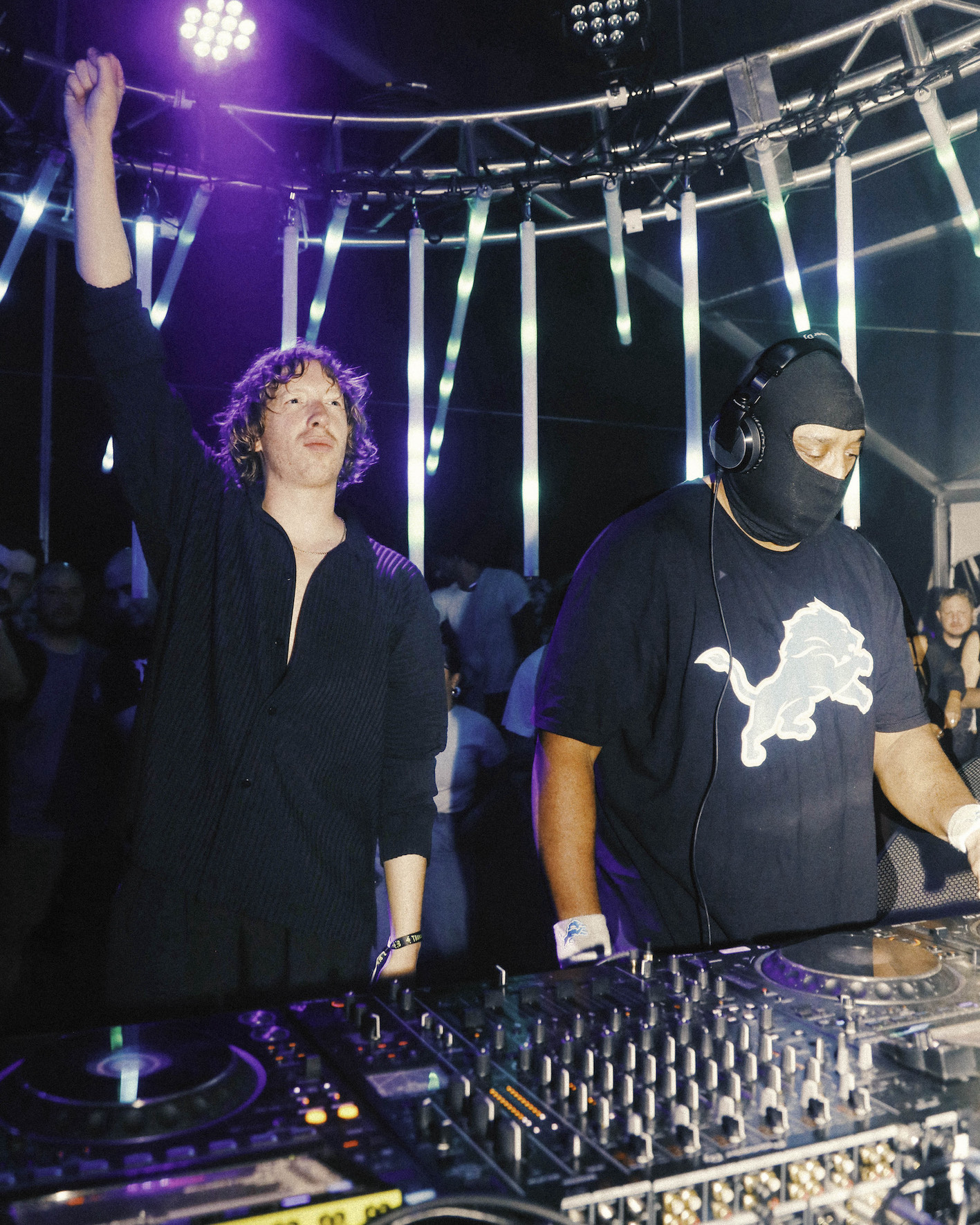
Daniel Avery & DJ Stingray, Making Time, 2024 (Photo: Uv Lucas)
You come from a small town on the coastline, Bournemouth. What was it like to be raised there and discover music?
Daniel Avery: My dad was and still is a huge record collector, so he was always playing me music. There was always music in the house, which was a very good start in life. Bournemouth itself had a small music scene, but there was one. It’s also right on the coast, so it’s quite a peaceful place, and now that I’m older, I really enjoy that peacefulness again. It’s a couple of hours on the train from London, and I just always knew that I would end up here.
Was London what you expected?
Daniel Avery: Yeah, and I’m still here. It was what I wanted it to be. The amount of different people you can meet in a city like London, I think that’s the interesting thing.
What did your father do for work?
Daniel Avery: He worked for the Royal Mail post office. So, not in music. He was just a fan.
Was he happy when you decided to pursue music as a career?
Daniel Avery: Extremely, extremely happy. He remains my biggest fan.
Nice. Does he come to your shows sometimes?
Daniel Avery: Yeah, he does. Yeah.
Is he a dancer?
Daniel Avery: Yeah. [laughs]
That’s great. I mean, there’s not much better than seeing parents go loose.
Daniel Avery: Yeah. For sure.
With your DJ sets, we know over the years the kinds of places they belong. Do you have certain venues in mind for the live performances of the new album, where you would say, “This is it, the dream is to play it there”?
Daniel Avery: The plan for the live show is for it to feel different. I want to keep the live show and the DJing as distinct pathways. The main thing I will say is that I will not be doing the live show in nightclubs. I want them to feel more like intense rock gigs, even though it’s not all rock music. I want them to have that energy that I fell in love with as a teenager. Some of them will be in more theater-type places, but some will be in more rock venues. There’s nowhere really specific in mind, but I want them to have that energy of all those rock shows that I loved growing up.
Do you also see yourself on a certain lineup with other bands or other acts?
Daniel Avery: We’ll see. Hopefully, yeah. I would love to play with any of those guys, like Deftones or all these new bands who I love. We’ll see where this album takes me, but I feel excited by what could happen.
________________________________________________________________
 “Tremor” will be released on October 31 on Domino Records.
Daniel Avery plays some first shows in the days leading to the release:
- Berlin, Zenner, 24.10.
- Brighton, Chalk, 30.10.
- Manchester, Yes Basement, 31.10.
more shows are about to follow
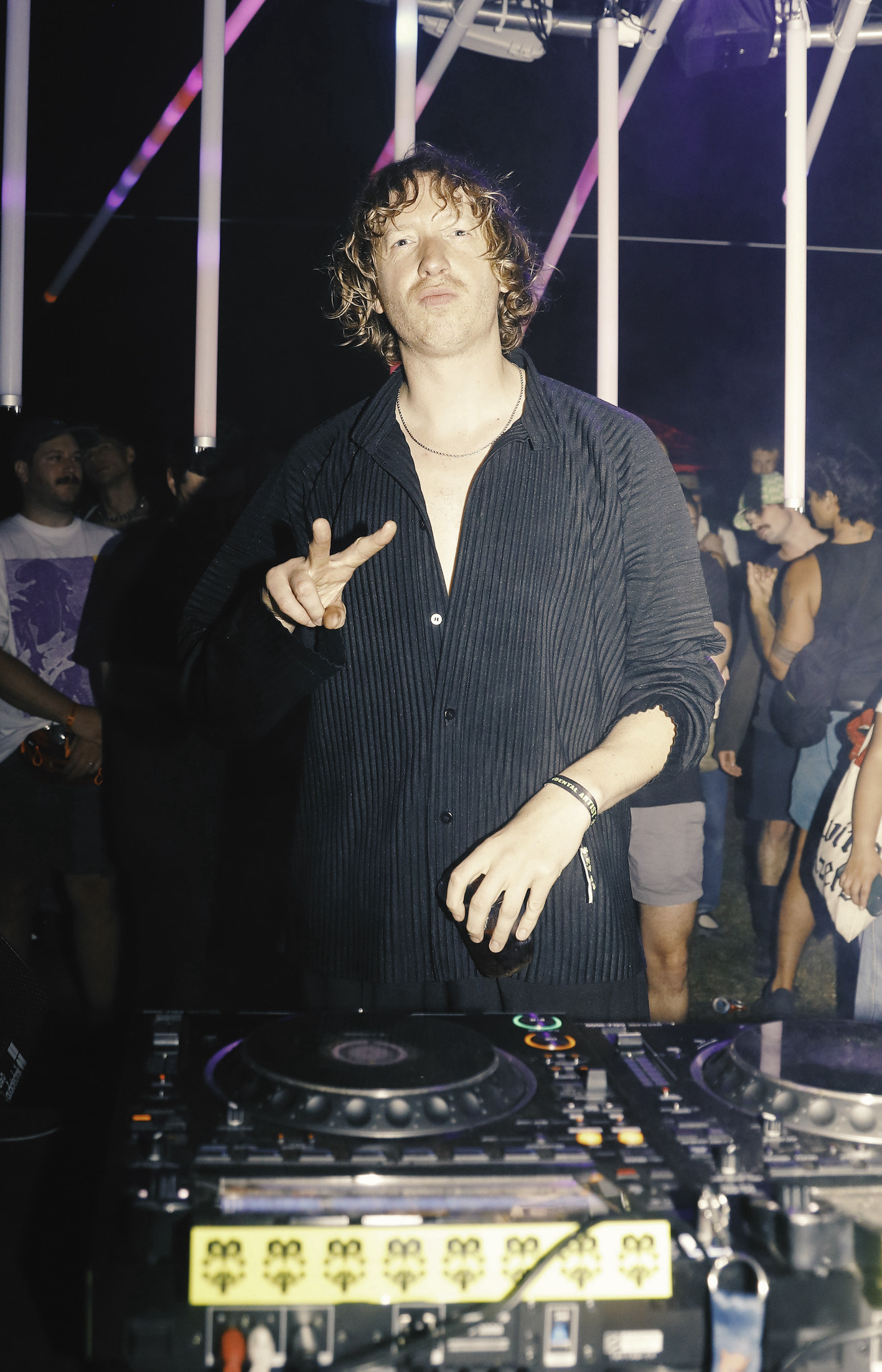
Daniel Avery, Making Time, 2024 (Photo: Uv Lucas)