

Emir Barin “It is about to make the people feel like they are a part of the family at Barın Han”
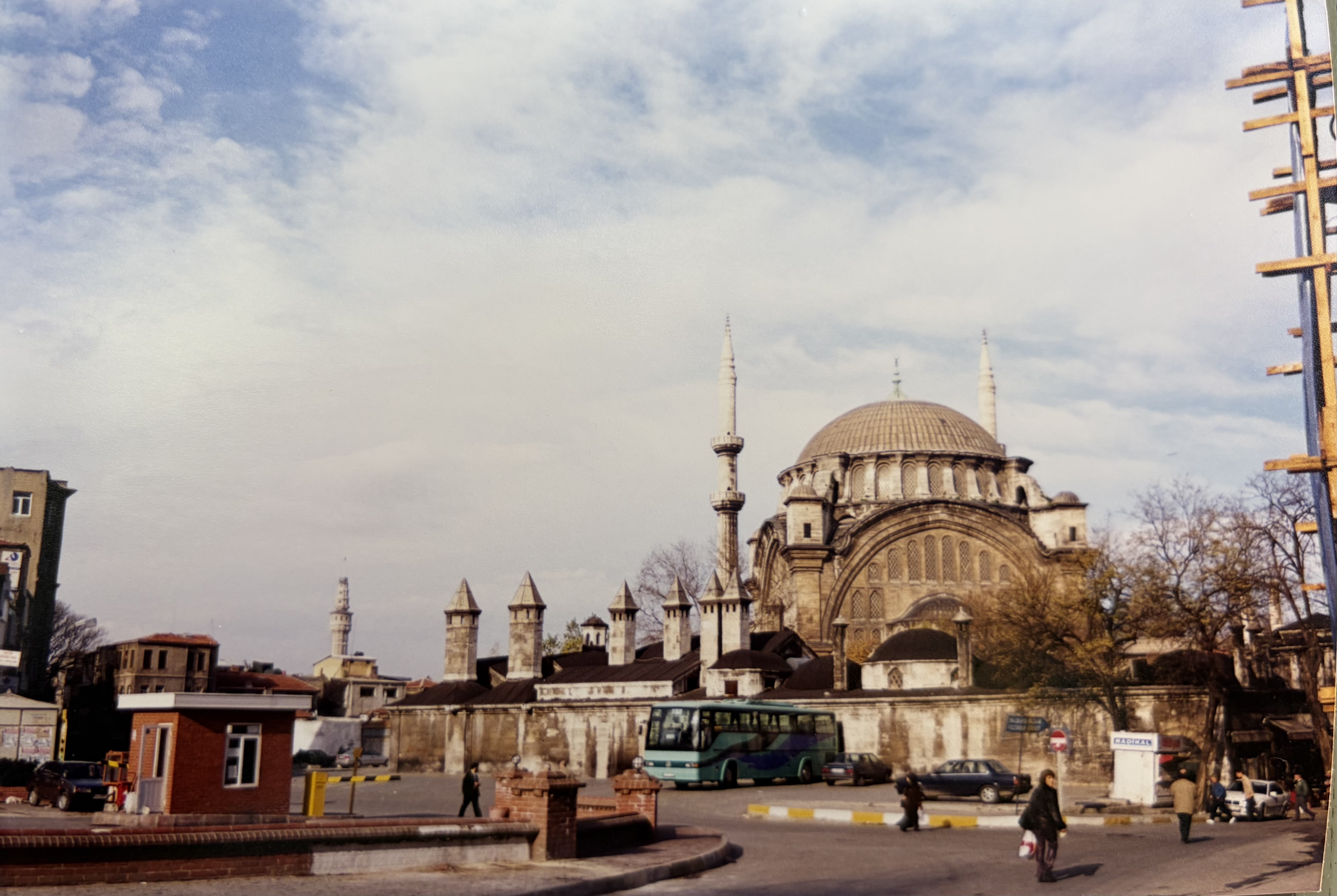
Nuruosmaniye Mosque, 2000, Emir Barın
When visiting Istanbul these days, one cannot escape the magnetic pull of Barın Han, a five-storey building in Çemberlitaş, on Istanbul’s Historical Peninsula. The house has served as the atelier of Turkey’s leading calligrapher and book-binding artist Emin Barın for decades, since 2019 it became a epicentrum for the current art scene of the city, managed by his grandson, Emir Barin.
In their conversation – conducted at the Kulturakademie Tarabya in the context of an Open Studio presentation of works by Sarah Szczesny and her fellow residency artists – Thomas Venker and Emir Barin talk about the weight of legacy, the democratic spirit of this very special family house, and why the future of the digital age might just be found in the strokes of a calligrapher’s pen.
Emir, what is your first memory of the house? The Barın Han?
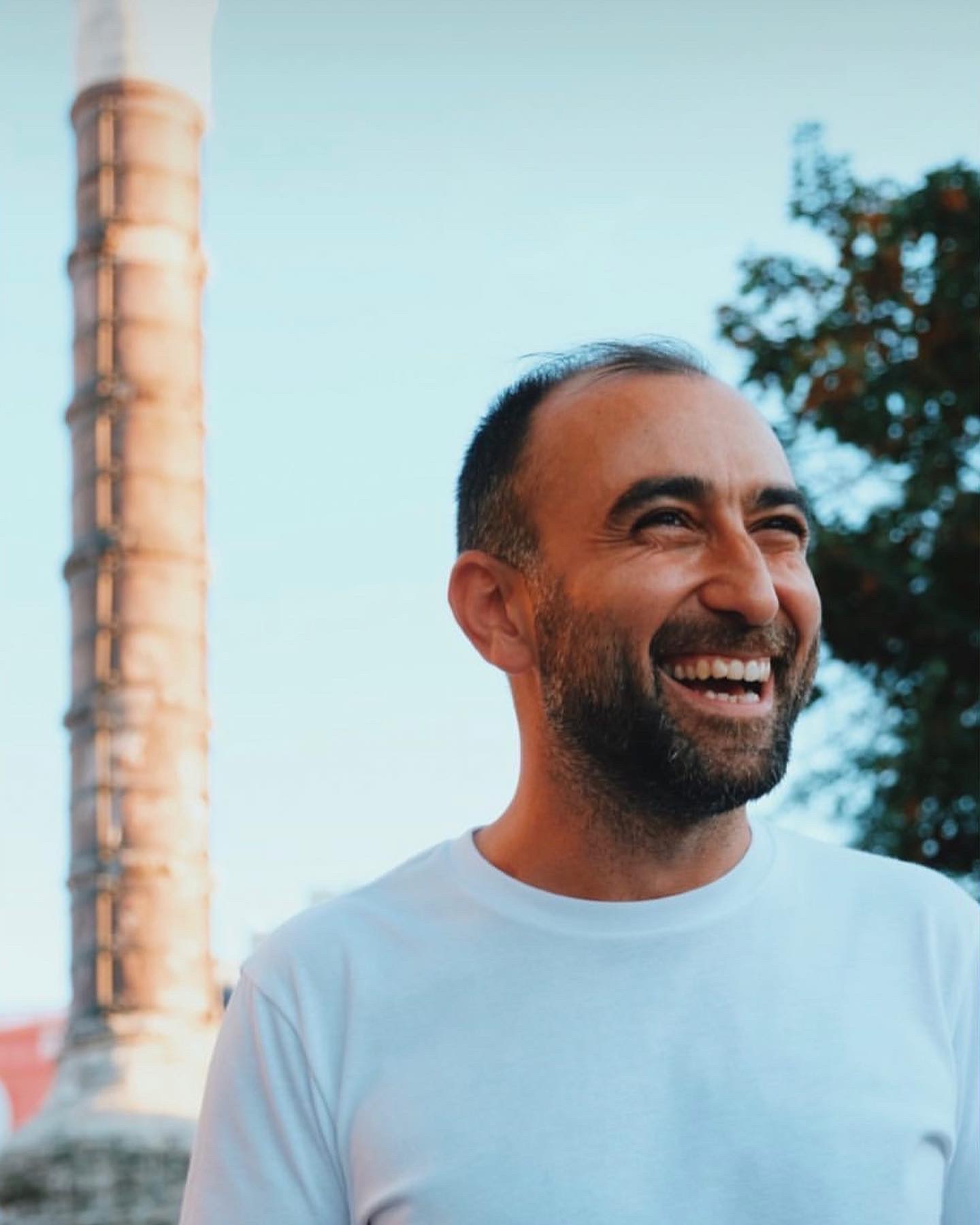
Emir Barın
EMIR BARIN: I think my first memories were visiting my father’s office when I was in primary school. I was doing sketches on paper—maybe writing some stuff or drawing images—and then faxing them. We had fax machines back then. Some people still use them, but in Turkey, we don’t use them anymore. I was very interested in it, you know? And I was faxing the companies in the building… in the same building.
Because Barın Han is like a co-working space. “Han” means a place where people work on different floors and in different areas. In our case, my grandfather’s studio—where my father works now—is on the left side when you enter. On the right side, there was a German company called Blumel. They used to distribute Heidelberg machines. The printing machines. They handled all those big machines used in the production of newspapers or printing houses. They were giving lectures and working with spare parts. They had their offices next door, and I was sending faxes to them, actually, or to other companies around.
So they knew the whole time that you were going to do that? Did they also fax you back?
EMIR BARIN: [laughs] I don’t remember; they might have. I was always checking the incoming faxes. I was sitting there, faxing and receiving. I was the “fax guy,” getting those pages and giving them to the secretary, Şükran Teyze. I would say, “Oh, Şükran Teyze, there is a fax coming,” and I’d watch it and then give it away. This was probably during my primary school summer breaks. During the winter, we had school, but in the summer we were off. So I would go there with my father and spend time around there.
But that is one of the memories. The other one—I don’t actually recall this as clearly, but the people working there always told me that my sister and I used to go look at the kittens. There were always kittens in the building. Like everywhere in Istanbul, exactly. We’d go pet the kittens, spend time with them, and just go around. I barely remember this, but it was even before primary school.
This mention of cats brings a soft smile to Emir’s face. In Istanbul, cats are the unofficial guardians of the city’s soul, moving between the ancient stones and the modern cafes with a sense of entitlement and grace. At Barın Han, they were more than just residents; they were part of the office culture – just like on the grounds of the Kulturakademie Tarabya.
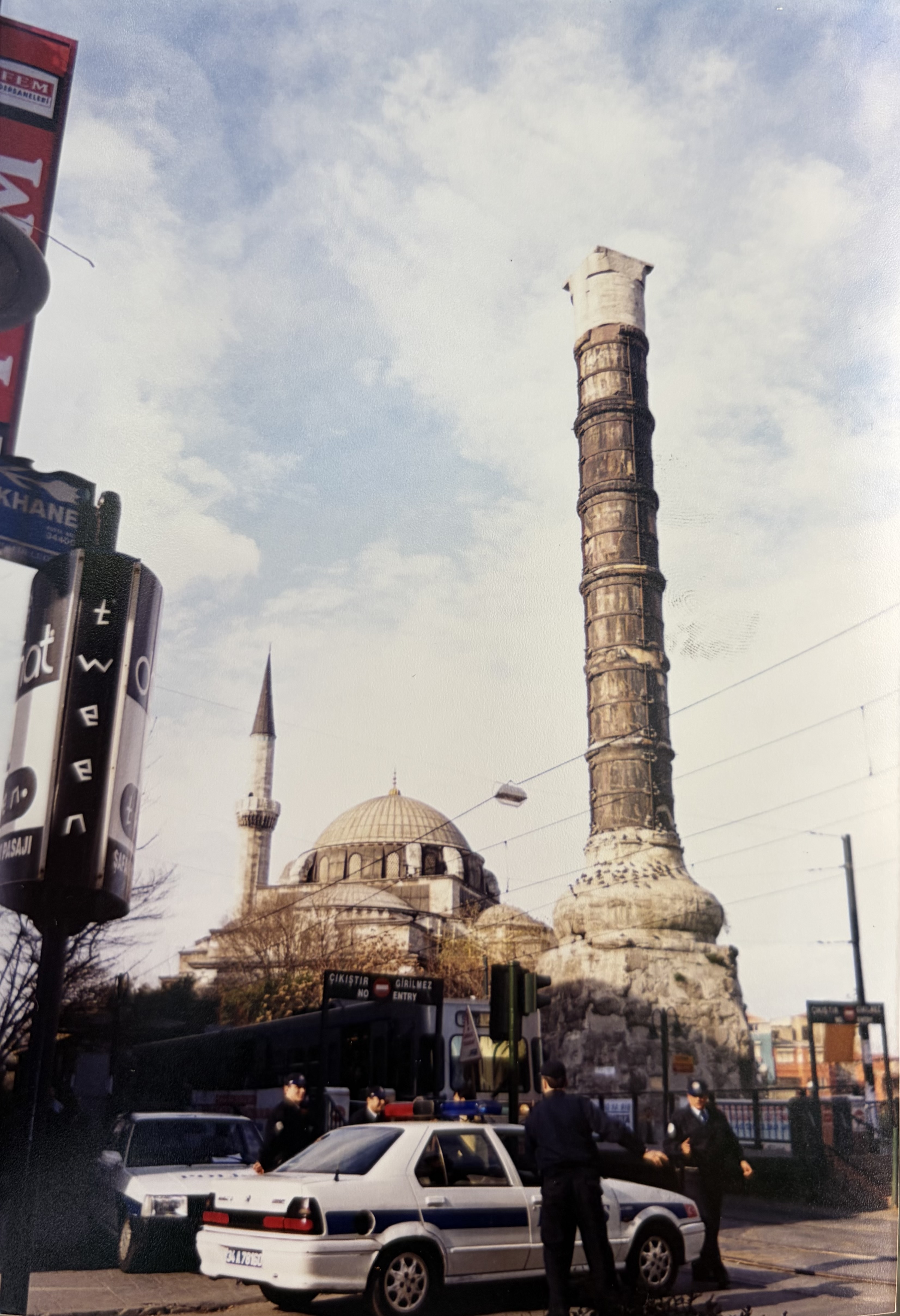
Burnt Column, 2000, Emir Barın
Talking about cats, I have to show you later the box Sarah made in memory of Luigi, our residency cat who sadly and very tragically passed away just a few weeks ago – you remember, we met you the day after in the city for an opening.
EMIR BARIN: Yes, I do remember the sad story about your cat.
We are going to ask for donations to help the cats on the grounds. It’s an artist box; you’re going to love it.
EMIR BARIN: Cats are very important for us. I want also a box for Barın Han.
I just remember, when my grandfather was working there in the 80s, they had a cat in the building. He had a cat for working days. On Fridays, they would take the cat to the house, and on Mondays, they would come back with the cat to the office.
[laughs] Nice. So the cat was like a working cat having a weekend off. Did it also go to the islands with you?
EMIR BARIN: [laughs] Exactly. I kind of like that. It’s very “comic style,” you know? “I’m going to my weekend residency and then coming back for work.”
The islands? No, because the family didn’t live on the islands back then. They had a house on the island in the 50s. So back then, we didn’t have a cat there. In the 70s and 80s, they spent their weekends more in the north area of Istanbul, where the airport is at the moment. There were small villages, so they went there. That was the family house.
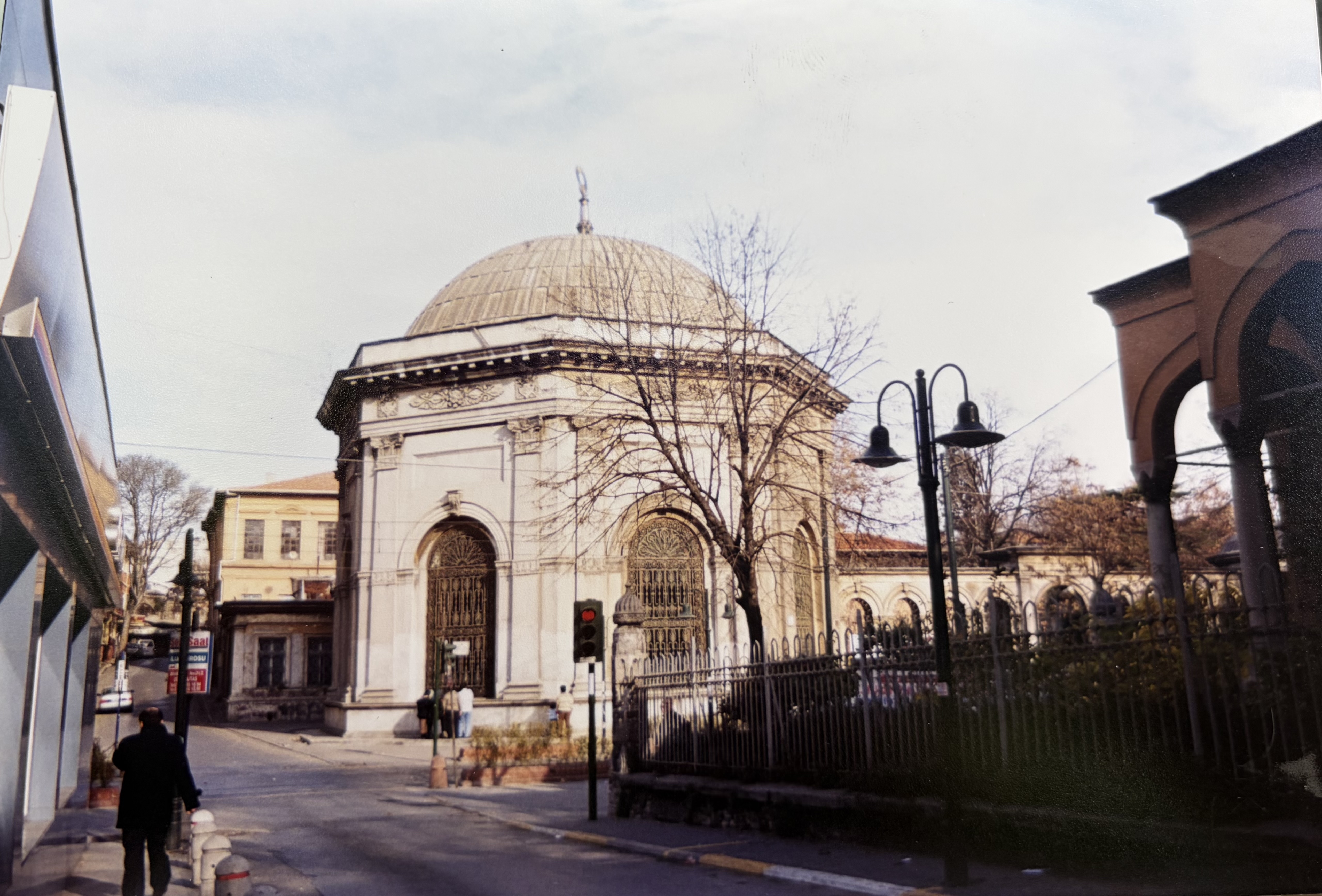
The street to Barın Han, 2000, Emir Barın
At this point, our conversation shifted toward the city itself—the way Istanbul has ballooned from a collection of distinct villages into a megacity that seems to stretch endlessly along the Marmara Sea. Emir speaks of this evolution with a touch of melancholy, noting how the geography of leisure and residency has been rewritten by the pressures of growth and environmental change.
EMIR BARIN: Istanbul is evolving. And unfortunately, in a bad manner sometimes, perhaps because of pollution. People used to go to the islands, but because of the pollution, people started going to the south of Turkey. That was one of the reasons. In the 50s, my grandparents spent time in Büyükada, or Florya, or Bayramoğlu near Gebze. There were no factories back then. They were all small houses and people were swimming there. It was a summer residential area for the people of Istanbul. And now, nobody goes there—not for the last 20 years.
Back in the day, the city wasn’t one whole mass. It was Istanbul and small villages around it. Any village you went to—in the north, east, or west—was still a village and very natural. All the food you got was “organically organic.” It wasn’t meant to be “organic,” but it was natural. In the original center, you didn’t have that many skyscrapers.
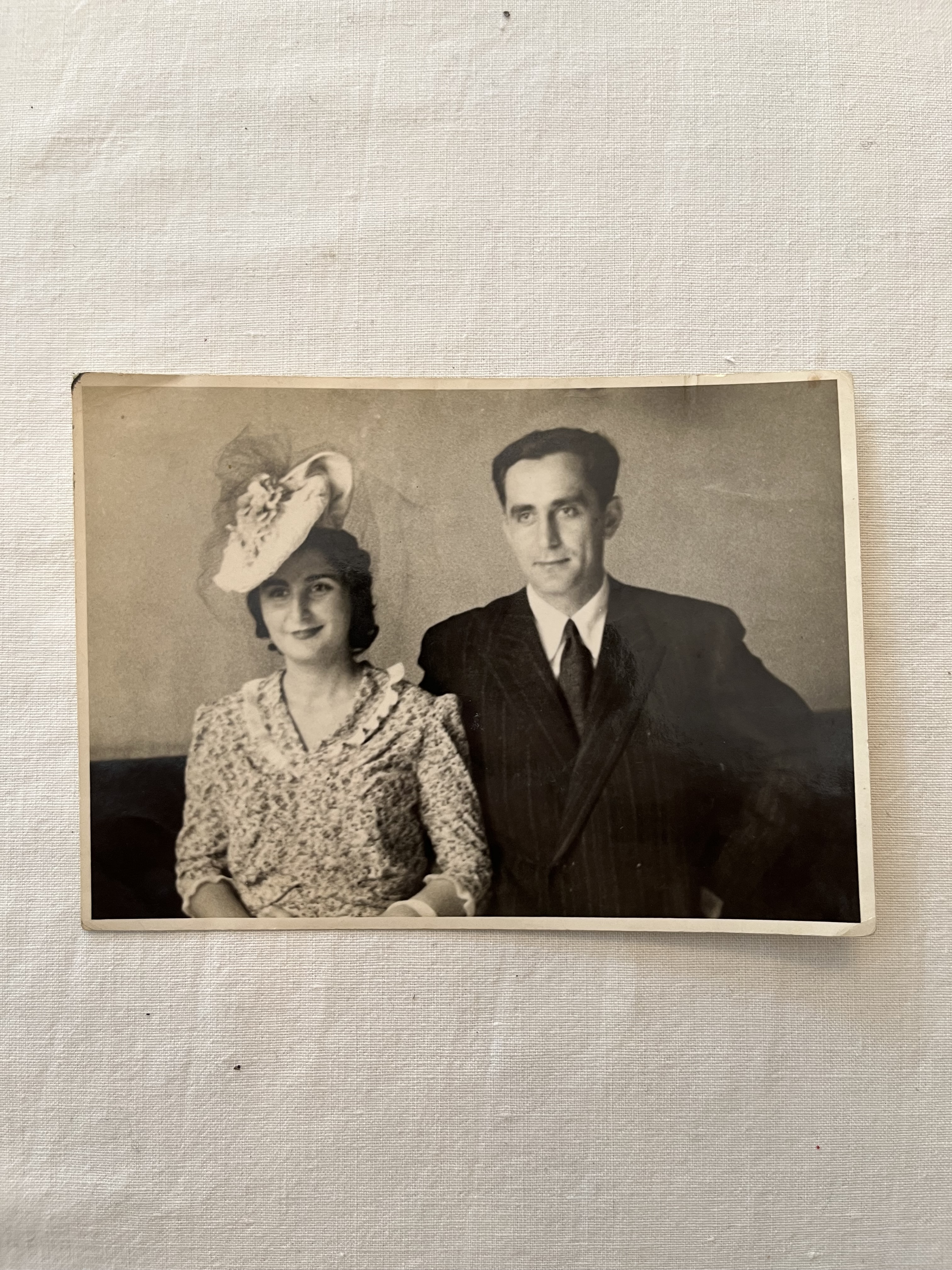
Necla Barın and Emin Barın, 1940s
Your memories were childhood memories—the fax guy, the kittens. When was the moment that you connected the house with your grandfather’s work and his art? When did that start to connect for you? Because now you are very much connected to his heritage, and you have put it on your own path, but it’s vibrant there. I’m interested in when you started to realize, “Okay, my grandfather was not just my grandfather; he is an important artist.”
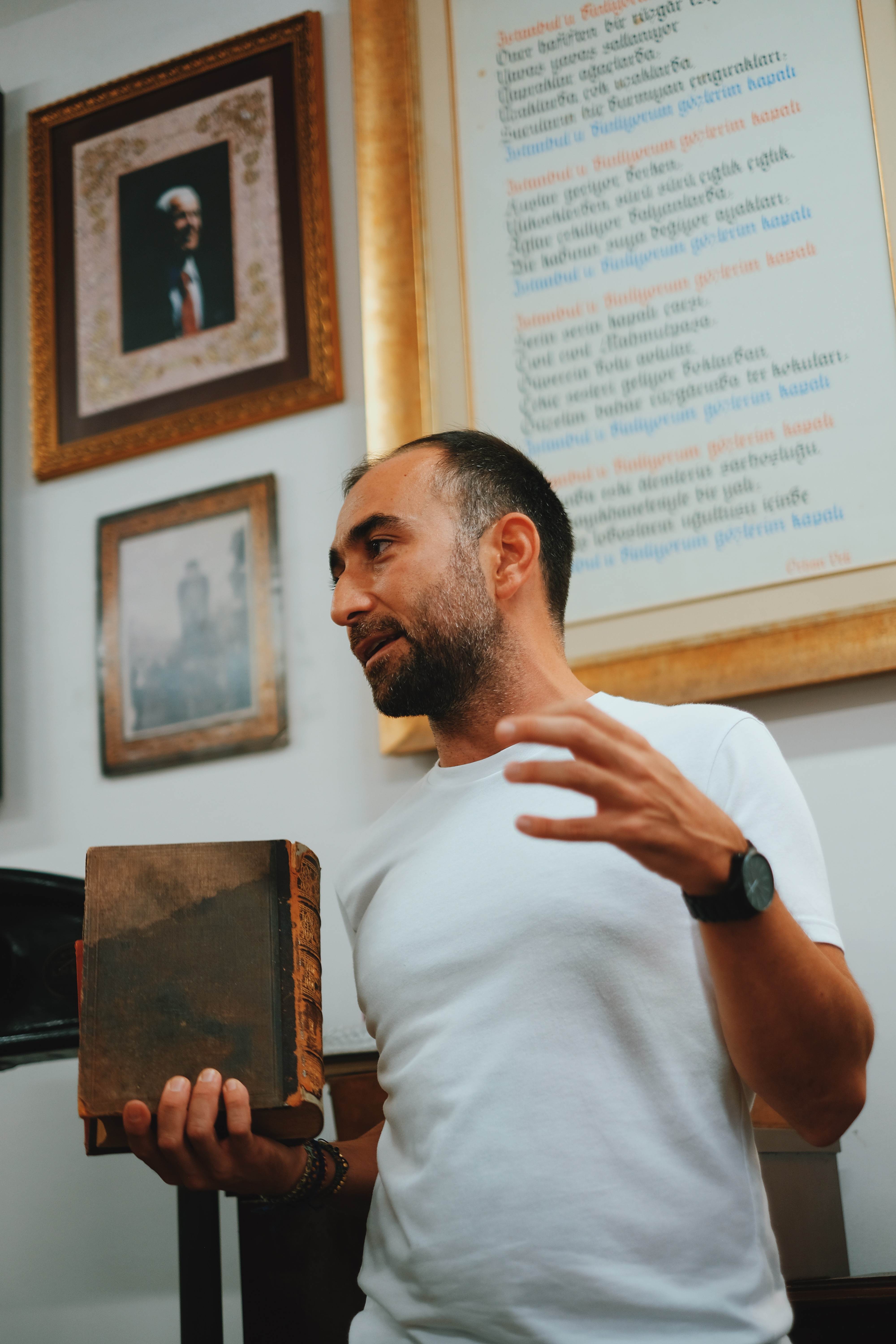
Emir Barın
EMIR BARIN: Okay, that was a bit later on. The first real connection I had was during high school. I had a term project—we called them term projects, where every class chose a topic. I think I was around 13 or 14 years old. I chose the Old Town as my project: visiting the Old Town, documenting it, and writing a brief historical summary. With a friend of mine, I went to the Old Town and we took photographs—from Hagia Sophia to Sultanahmet, the Hippodrome Square, and Barın Han.
I recently found those photos. My grandfather’s work was in them. Upstairs, we had his collection of 300 pieces of calligraphy, plus 300 of his own works. In that room on the first floor of Barın Han, there was a full archive where we had his collection, his own artworks, calligraphies, and the books he had made. I started spending more time there, noticing the work and calligraphy, but I still wasn’t aware of how different his works were. We were just born into it, so you don’t notice it until a certain point. That point came a bit later. I knew he was very well known and very different from other calligraphers. I knew there was something going on, but I think the first realization came with that term project in 2000. It’s special because there is nothing left from that era now.
Emir’s journey from a grandson simply existing within the space to a student of the work is a process of unlearning the “normalcy” of genius. When greatness is your baseline, it takes an external perspective—or a conscious academic effort—to see the contours of that greatness.
EMIR BARIN: After that, when I went to university, I realized I was more into history and art. Around age 18 to 20, I was more interested in festivals and art events, so I started realizing more and more. Of course, when I had friends visiting from Europe, I would take them to Barın Han to show them around. As I did those visits, I started realizing the importance. Plus, I was interested in calligraphy and old Ottoman letters. I started taking courses on how to read the archives and his works. That all coincided around 2006 or 2007.
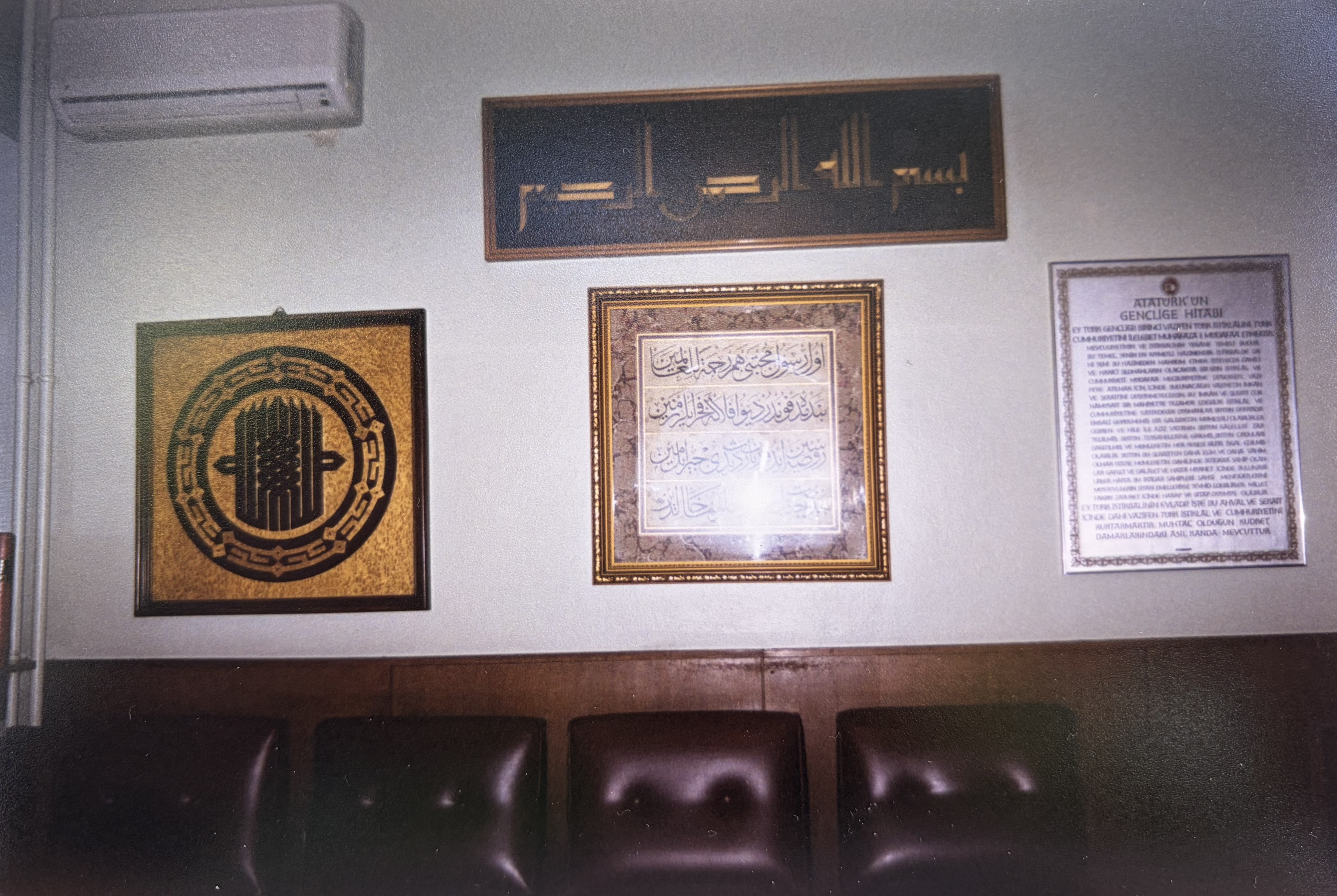
Emin Barın’s studio, 2000, Emir Barın
Maybe a weird question, but obviously, when you came into contact with his calligraphy, your professors and teachers already told you it was important. Did you immediately grasp the importance of it yourself, or was it more like, “Okay, I feel like I should think it’s important”? Did it speak to you like that, or did it take an education of your eye to really understand it?
EMIR BARIN: I think because we were born into it… this is something we discuss with his former students. They say that because we were born into it and educated by those works, to me, they were just normal calligraphy. I thought that’s how it should normally be. I didn’t realize that the first Latin calligraphy done by him, the abstraction, the color usage, and the materials were so different from standard calligraphy.
The technical analysis came later. From the outside, of course, we knew it was perfectly designed and perfectly symmetrical. I was also very interested in geometry; I was one of the best in high school and university. I studied mechanical engineering, so I was very interested in 3D modeling. That’s why his work attracted me. I was fascinated by it; I knew it was design-wise and graphically excellent, and that the positive and negative areas were well-managed. But the realization that he was a pioneer—the first mover in all those areas—came later.
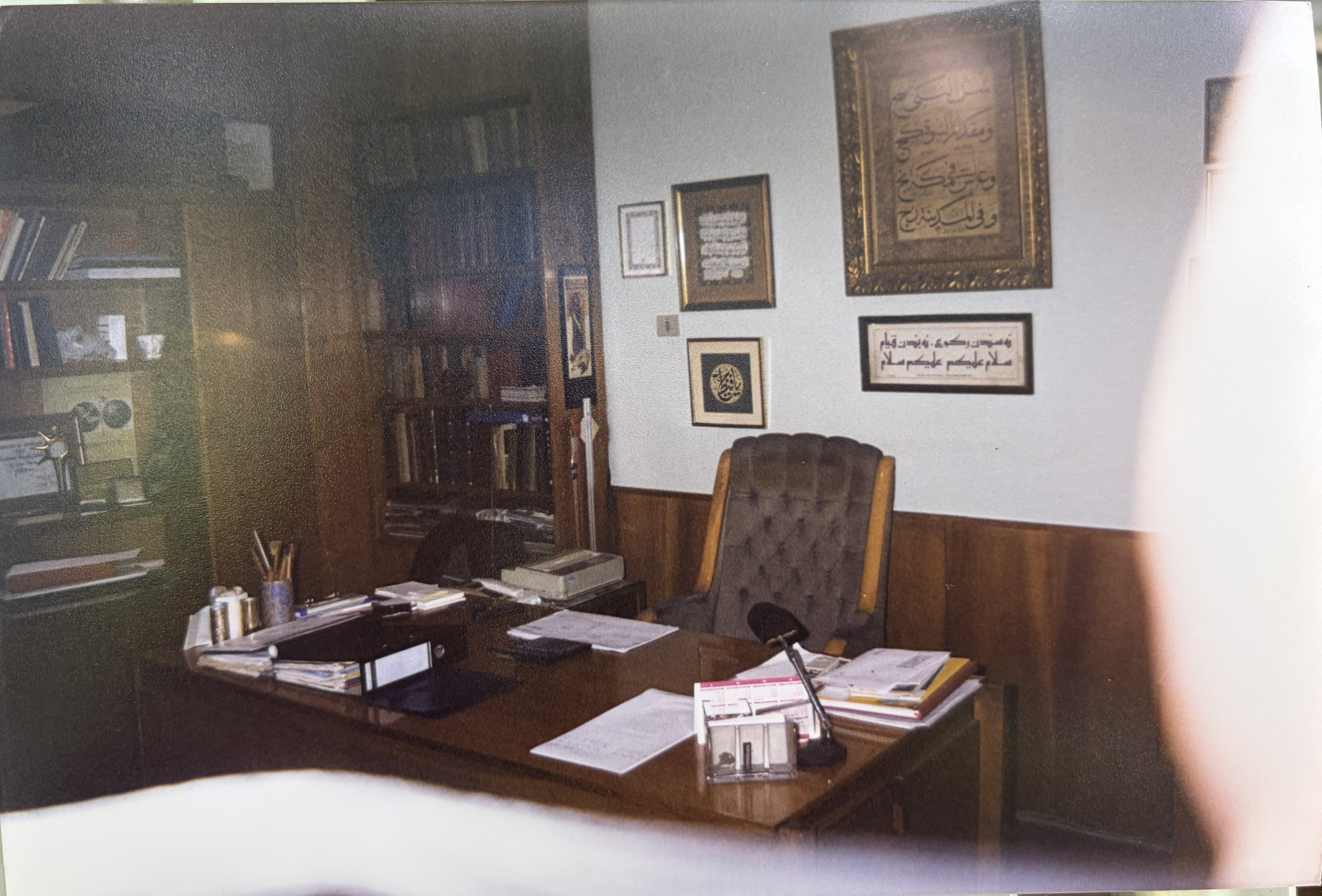
Emin Barın’s studio, 2000, Emir Barın
When was the turning point? You mentioned your father worked with your grandfather. When was the turning point for you where you felt like, “Okay, I want to be involved in his heritage somehow”?
EMIR BARIN: I think back in high school, one summer I spent a couple of weeks at my father’s studio helping bookbinders. I said, “I want to spend some weeks there.” So I was going with my father—not to Barın Han, as we had already moved from there. We were in another area. I’d go there and look around, spending time with the books. That was probably the first step I took toward the bookbinding studio and working with my father.
But regarding Barın Han and the legacy, that took more time. Emin Barın’s heritage can be distributed into different areas. The one that is still active is bookbinding: handmade books, artist’s books, design books, coffee table books. I was more connected to that because my father is active there, and my university was very close. After my courses finished during the week, I would go there to have lunch with my father. So during my university years, I was already involved. But I never thought we would start an art center in Barın Han. That idea didn’t develop until around 2015.
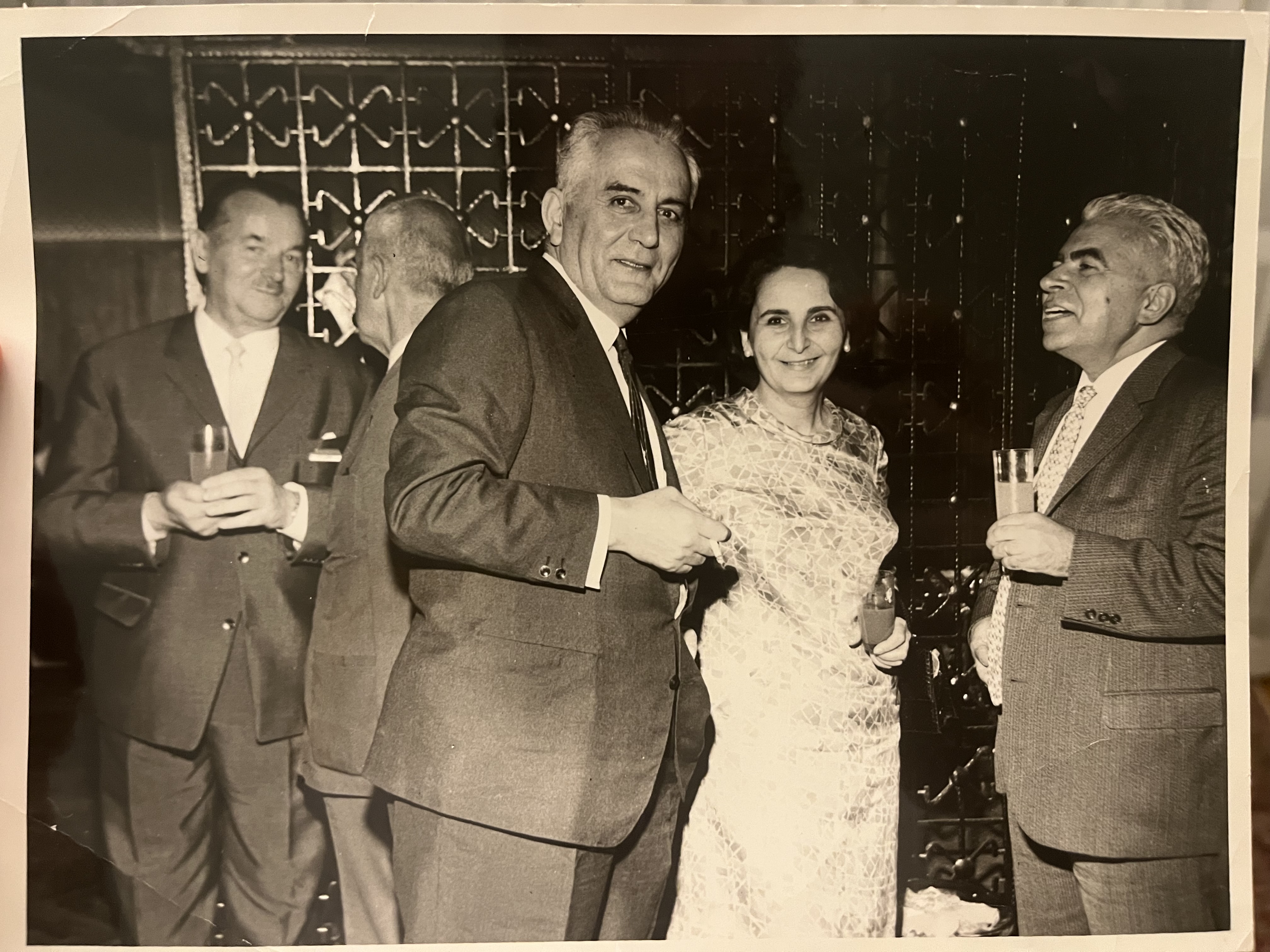
Necla Barın and Emin Barın at a reception, 1960s
The transition of Barın Han from a private family archive and studio into a public art center is a classic tale of the refusal to capitulate to the market’s demand for high-yield hotels in favor of a low-yield, high-soul cultural project. Emir laughs as he recalls his initial, slightly more personal desire for the space.
EMIR BARIN: To be honest, the first thing I did was in 2014. I was looking for a house in Istanbul and I said to my grandmother and parents, “I can move to the Old Town, to Barın Han, on the top floor. I can take care of it, make it more adaptive to modern life, and stay there. I can invite my friends for big gatherings.” And they said, “There is no heating there, and there is no security. This is not possible; you will freeze.” My grandmother said, “It’s not possible, Emir, come on.” So I moved to Cihangir. [laughs]
But still, I flirted with the idea. I had it in my imagination—that in another world, it could have been very nice to live in the Old Town where no one lived at the time. It was only tourists back then. It’s a bit better now, but back then there was no one around. That was the first thing I told them. Then in 2018, three or four years later, we did a restoration—a retouch to the building. Water was dripping from the ceiling, so my grandmother said, “Let’s start some retouches.” It started with the ceiling, the rooftop, cleaning the walls, and adapting the bathrooms and tiles for daily use. Then I proposed the idea of transforming the space into an art space. First to my grandmother, who supported it right away, and then to my aunt, my sister, my father, and my uncles. They all supported it. And then we got into it. There was a huge effort for three or four months before the opening the house with nine solo exhibitions.
Your grandmother was very involved, which is a beautiful thing because she knew the whole journey of the house and could share the history with you. She was the one who really made you do it in the first place?
EMIR BARIN: She was the one. I heard stories that her father bought that land with his own money; it was very important to them. Her parents lived there and her grandmother lived there before it became Barın Han. It was a residential area in the 1950s. People literally lived there. On the ground floor and the first floor, my grandfather had the bookbinding studio, and the family lived on the first floor. The second floor was a guesthouse for people coming from Bolu, where we are from.
In the 1960s, they bought the adjacent land and transformed it into a working space, and then they moved. I had listened to stories about that family building forever from my grandmother—stories of artistic gatherings, of fighting off requests to turn the place into a hotel. My grandmother, my aunts, and my father must have resisted those offers a hundred times. So when I proposed this idea, they supported it.
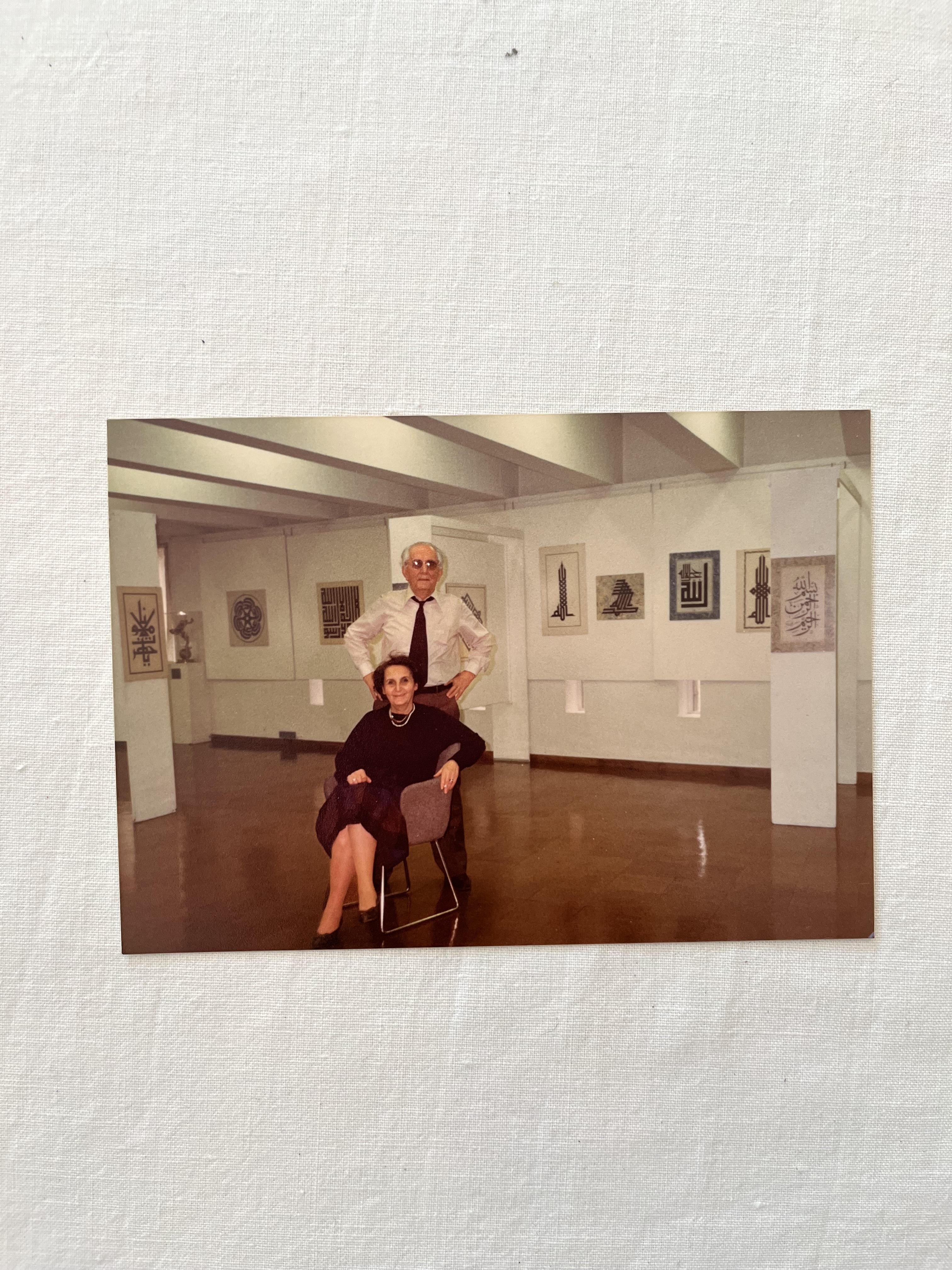
Necla Barın and Emin Barın at the opening of his exhibition in Münster, 1985
Does your grandmother still come to the openings?
EMIR BARIN: She did until the day she died. She passed away in April 2022. We opened in 2019, so she had three years of pure connection with the space and the artists. I admired her because before we opened the first exhibition, she invited all nine artists over for tea. And this is very uncommon. You don’t usually get invited to tea by the owners of the building. The idea was to make them feel like family. That is one of the main emotions we have at Barın Han: to make people feel like they are a part of the family.
She also played an important role for you because your grandfather isn’t around for you to ask all the questions you have. You’re interpreting an artist and his art who is very important, and while there’s so much more happening in the house now, there’s a line of heritage that you heard from the closest possible source.
EMIR BARIN: Yeah. Exactly. What made his work different, and also the reactions my grandfather got from the public or other galleries—everything was told to me by my grandmother. She was the storyteller of the real-life stories behind the scenes.
Emin Barın’s history is a fascinating study of the early Turkish Republic’s modernist zeal. Sent on a state scholarship to Germany in the 1940s, he studied at the Buchkunstschule in Leipzig and later with Otto Dorfner in Weimar, a former Bauhaus teacher. This education gave him a unique vantage point: he returned to Turkey with a deep respect for the craft of the book but a radical vision for how calligraphy could be stripped of its purely religious or traditional connotations and transformed into modern art.
EMIR BARIN: There were two parties, yeah. Of course. One group was very supportive. For example, the government sent Emin Barın to Germany on a scholarship. In the 1940s, it was still the early age of the Republic, but there was a very modernist outlook. He actually went to Leipzig and then spent time in Weimar. He stayed until July 1943 and then he came back to Istanbul by train with special permission.
After he came back, he was supported a lot with governmental projects. He did the calligraphy for Anıtkabir, the tomb of Atatürk, and other major projects in the 1950s. As a professor at the Fine Arts Academy, he was the main contact for such work. He was supported by modernists, but traditionalists still didn’t understand what Emin Barın was doing with calligraphy in the 70s and 80s. I heard from my family that people would say, “HE´s challenging the rules.” Calligraphy has been the traditional art of this region for 500 years, and he was challenging all the rules. Imagine a guy at the Fine Arts Academy, the founder of the traditional arts faculty, doing very reputable work but also saying to his friends, “Okay, let’s do some Pop Art now.”
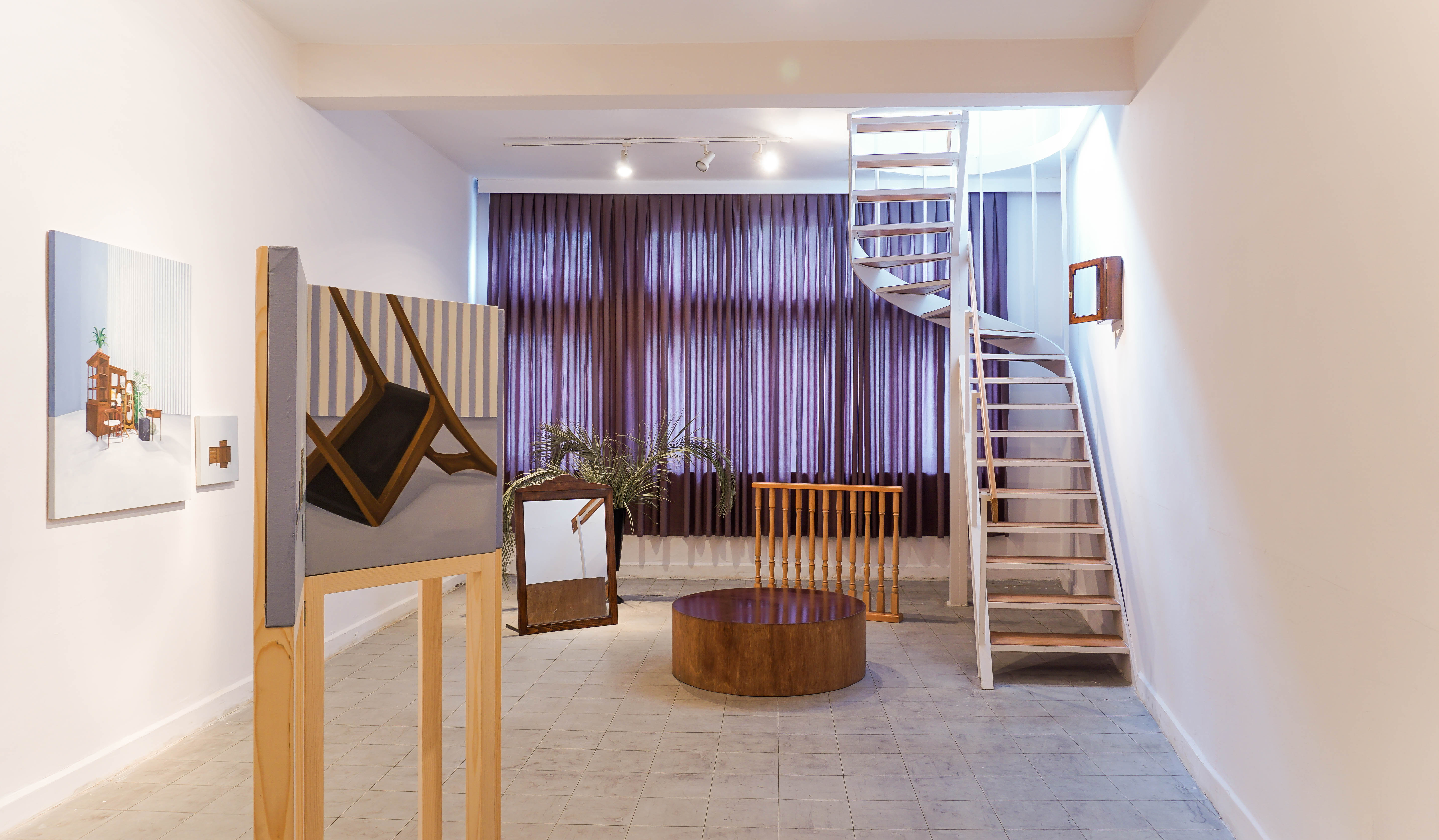
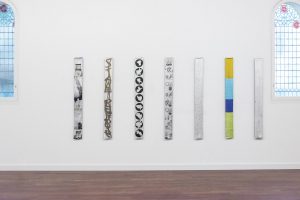
Contemporary art exhibition at Barın Han: Merve Denizci, 2019
In a way, there’s a continuity with your work, too. You are also challenging things. When I look at the house and go through the different exhibitions happening at the same time, it’s a very unusual, open-minded, and democratic idea of the arts. You give a lot of freedom to the individual creators of the shows, but you also try to bring them together. The art world is usually about clear definitions, but you have this clear heritage on one side, and you don’t want a conservative heritage house. You want an open house. Was that the plan from the beginning?
EMIR BARIN: I’m quite lucky to have been born into this family. My sister and my mother work in HR professionally. From day one, they were asking me, “What do we want to do with Barın Han? What is the aim? What is the vision and mission?” We talked about the values of Emin Barın and the Barın family. We shaped Barın Han’s character around that. We wrote down values like being experimental, being excellent at what you do, and being focused but not limited.
We believe that if we limit an artist or say “no” to their work, we would be like the people who said “no” to Emin Barın’s work. If people had been like that back then, Emin Barın wouldn’t be the person he was. We don’t want to exert that kind of power over artists. This is a core topic for us. That’s why we don’t look only at art schools. We don’t feel we have the right to tell an artist their art is not valuable. We have specific topics that are more connected to Barın Han, such as calligraphy, modern writing, or books. Books are very important for us—contemporary versions of performances, or topics about rights, or about the city. Being in the Old Town, things related to Istanbul are important. But besides these, we host other topics as well. We just don’t judge the artwork on a narrow basis.
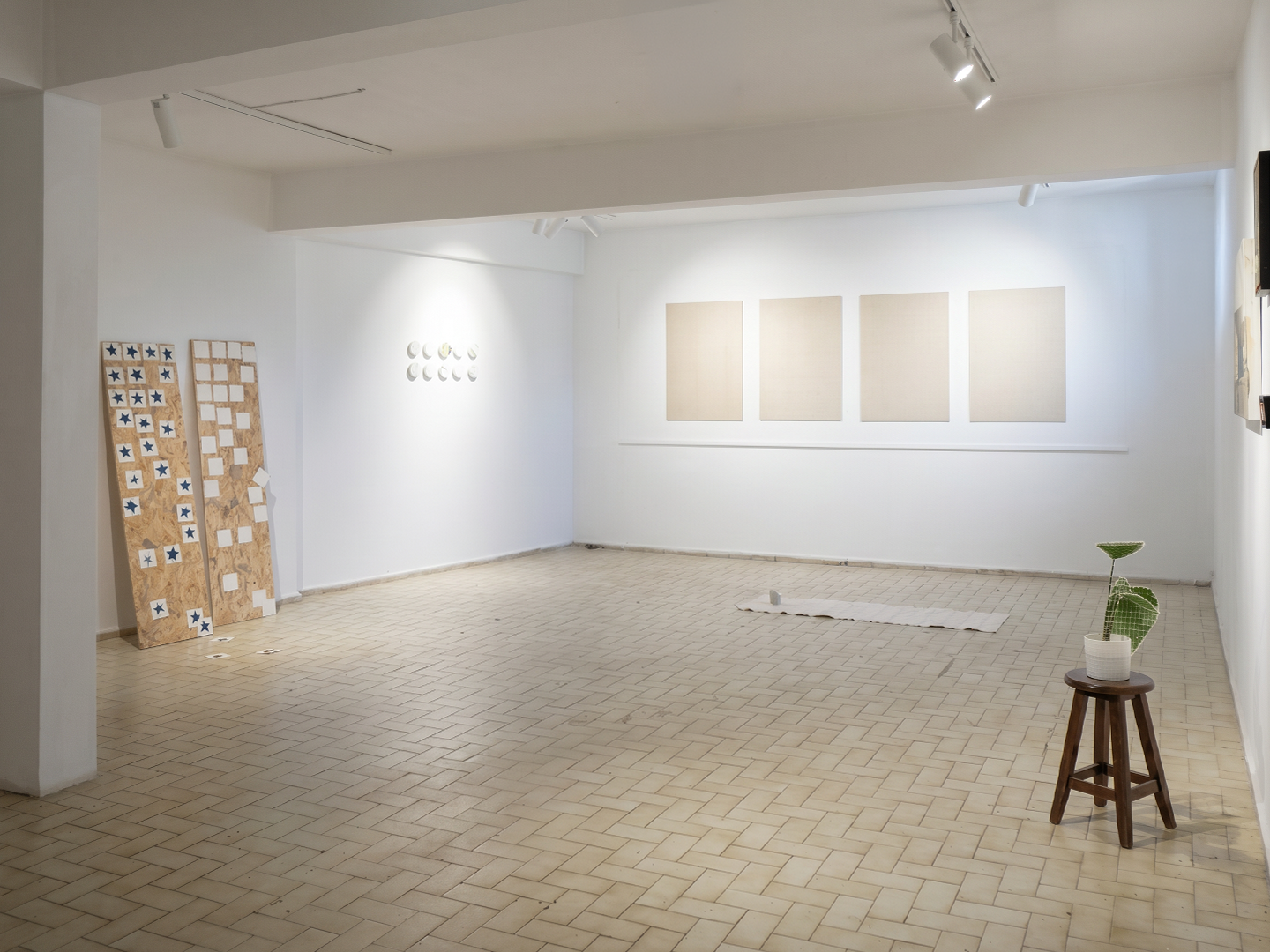
Contemporary art exhibition at Barın Han, 2026
Do you have the feeling that art lovers—I don’t want to call them amateurs—appreciate that there’s a forum for them? And how does the established art world, the academy and the professors, react? Institutional art often feels like you have to go through the institution to “make it,” because it’s also a market and they want exclusivity. Did you feel that?
EMIR BARIN: Not that much. I think there are two reasons behind that. One was Emin Barın’s presence. He was a major artist with a huge legacy. The second was the first group of artists we worked with. Our first exhibitions were a mix of established artists and younger, “new age” artists. We always wanted to mix them; we didn’t want to stick only to names, but we also didn’t want only younger artists. We wanted synergy.
Because of that, we set the expectations very high from the start. After the first year, people were comparing Barın Han’s projects with museums or institutions funded by corporate companies, whereas we were funded only by the family. It made us feel good and showed us we were doing something right, but it also put more of a load on us. We set the ceiling very high, so we are always thinking about how to make the next project better. Actually, the artists and the curators made Barın Han what it is. We just enabled it by providing an open space. People wanted a place where they could communicate openly and experiment. Artists started liking Barın Han more than us having to invite them. To this day, we have been hosting projects that have been proposed to us.
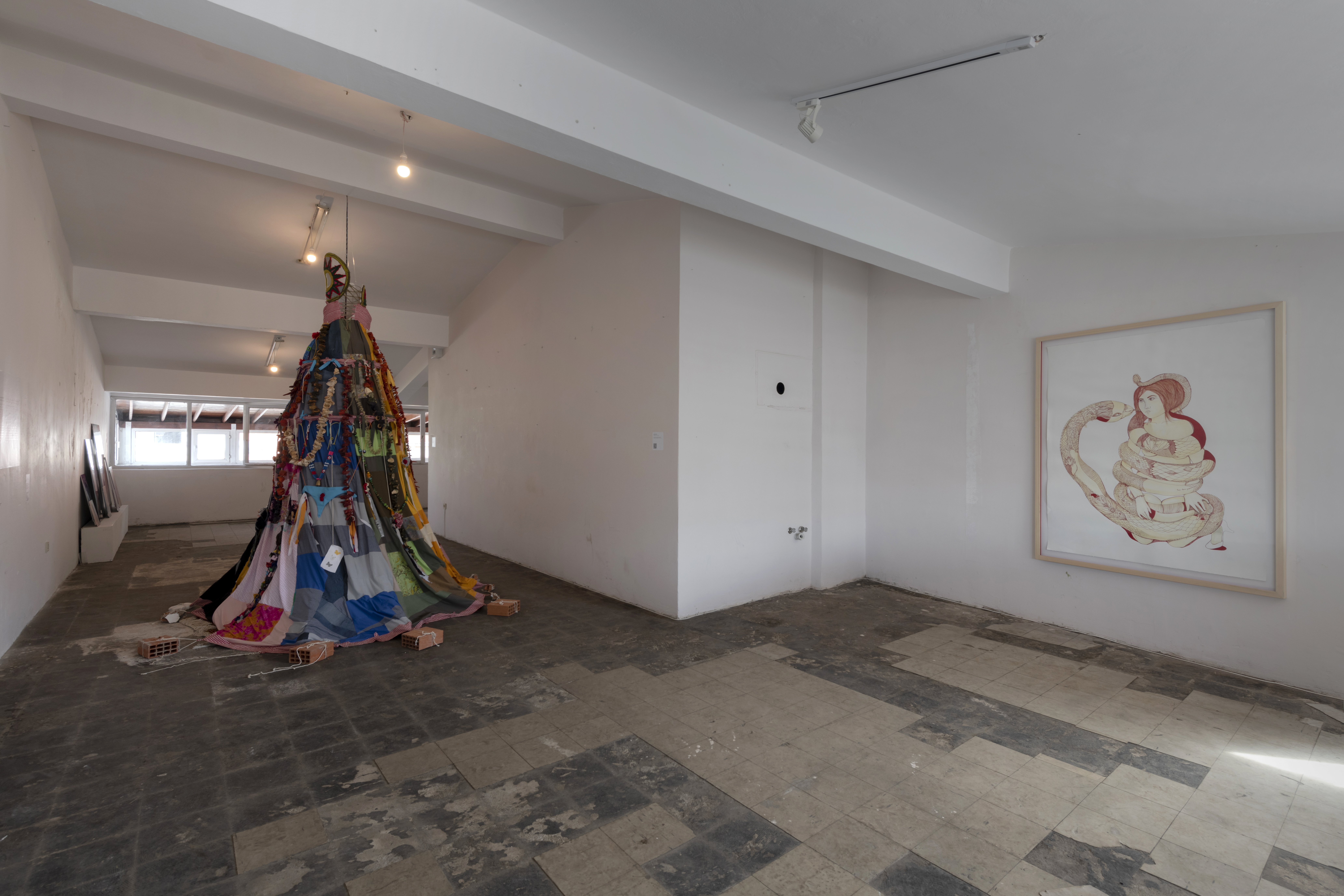
Contemporary art exhibition at Barın Han, 2022
Walking through Barın Han is an exercise in exploration. It is a labyrinth of light and history. As you ascend the stairs, the atmosphere shifts from the industrial feel of a print shop to the hushed reverence of an archive, and then to the raw energy of a contemporary gallery. It feels as though the building is magically expanding the further you go into it.
EMIR BARIN: You find different layers. You can even get lost. During some exhibitions, people did get lost. Since the beginning, we didn’t want to tell people how to visit Barın Han. We wanted them to explore and get excited. We’ve forgotten that feeling in museums because we’re always guided or told what to do and what not to do. We host different exhibitions at the same time, so they can communicate with each other.
I have one larger question: how do you see the place you’re cultivating in comparison to the art scene of Istanbul, Turkey, and—as you’ve just been to Venice—the global art world? It feels very untypical for Istanbul.
EMIR BARIN: It is uncommon even for Turkey. When we opened Barın Han’s doors, people were asking, “What is going to be there? Is it a gallery? Are there artist studios? Will you be representing artists and selling art?” We answered all those questions with “no.” We’re not selling. We wanted to be in a space that perhaps nobody in Turkey had thought of, due to the background of the legacy. There is a huge heritage there, and we are connecting it to the modern age—maybe for the next 10, 20, or 30 years.
My sister and I have already talked about what will happen in the next 30 years. We just wanted to keep it “raw” in a world where we consume everything. I work in tech. I have a startup. In the startup world, they teach you that you don’t do things just to be different; you do them for your passion. That passion is what makes the difference at the end. We decided to do something we are really passionate about: hosting artists globally and locally, and supporting them in their production, which is very important to us. We want to connect that with the legacy and not forget tradition and history. Those are our three tracks. Globally, there are places like this—old factories turned into institutions—but having the background of a very strong specific artist is less common. That excites global visitors. When they come to Barın Han, they can see the historical artistic perspective of the modern Republic of Turkey alongside the current scene. We feel responsible for making that bridge.
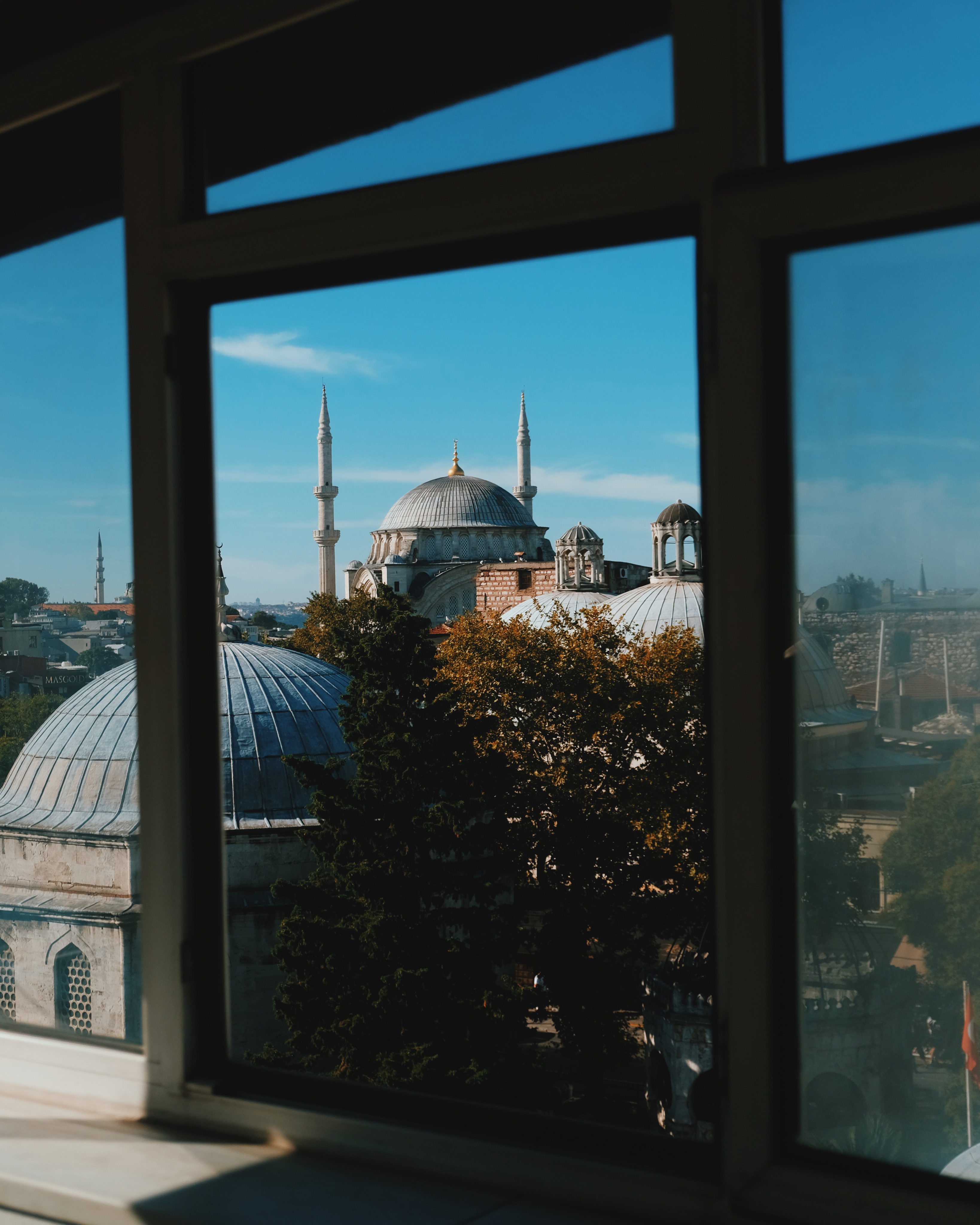
View from Barın Han, 2022
One point I found fascinating is that when you enter your building, there’s no “entrance” in the traditional sense. It’s rare to find an art institution where you don’t pass someone looking grumpily at you as if to say, “Are you allowed to come in?” There’s no checkpoint.
EMIR BARIN: We don’t want that. We see visitors as guests. They are coming to our house. It’s a very big house, but it’s a house where we host people—artists, curators, and visitors. I think the reason is the tradition of Turkish hospitality, which people are unfortunately forgetting. I was born into a traditional family. Although our lifestyle was modern and global, we knew our traditional background.
I was taught by my grandparents how to behave and what the values of society are. Hospitality is a key value. Even now, my aunt or father will ask me, “If a group is visiting, what will you be offering them?” Hospitality is a value transferred from generation to generation. You don’t see that in museums much anymore. Institutions are too cold. We don’t want to be cold; we want to be soft.
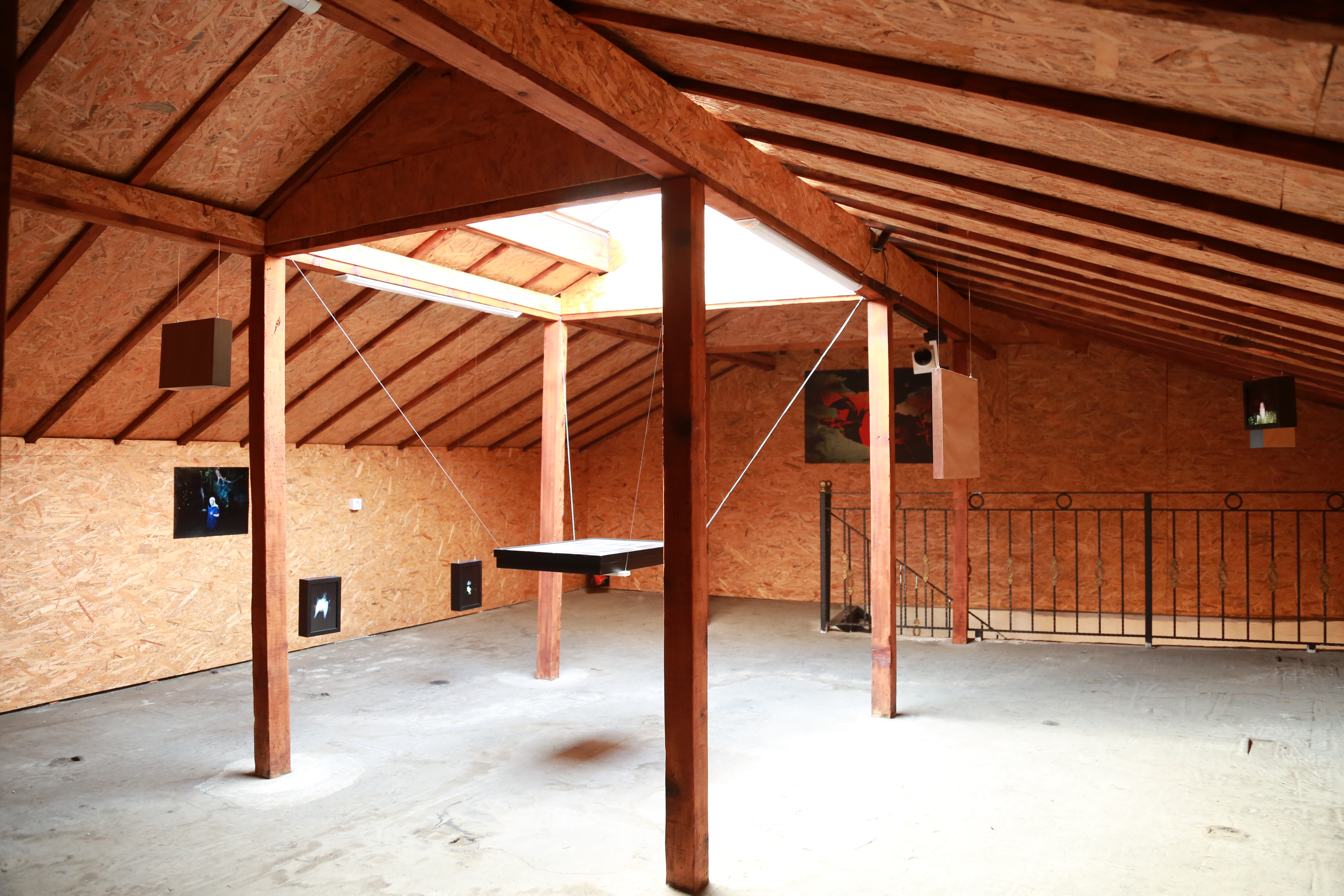
Contemporary art exhibition at Barın Han, 2021
You mentioned your technology company where you are a co-founder, and you have a podcast about digital topics. How do you find time for a “serious” job alongside the art world? Was it important to your family that you have both?
EMIR BARIN: Time-wise, it’s not easy to create space for all these things. But I don’t see them as “jobs.” None of the things I do—Barın Han, my venture Bandwitt, or supporting my father and sister with the bookbinding company—feel like a job. I distribute it across my life, 24/7. I don’t feel bad about it or think, “Ah, I’m still working.”
I think this was transferred to us from both sides of the family. My grandfathers were teachers and academics; they were lecturing 24/7. My grandfather was working every minute. Even when he was eating, there were sketches next to him. People said he was working all the time, but he wasn’t “working”—he was just living. My living is the same. When you have that mindset, everything flows. It’s fluid. At lunch, I can meet an artist, and after that, I can go to a meeting with a major bank manager to talk about how to help companies go digital. In the afternoon, I can attend an event here to see what current artists are doing, and then look at books at night before bed.
Would you say both sides stimulate each other? One could say the tech side is where you make money and the art side is where you spend it.
EMIR BARIN: [laughs] It’s not exactly like that, but they do support each other. It stimulates the inner feelings. Since I started the Barın Han project, I’ve become more creative in my tech company as well. I’m definitely more productive. Seeing how artists work day and night to produce something inspires me.
And does it make you “softer”? Because once you experience art, which is vulnerable, you’re maybe not as harsh as the corporate world expects.
EMIR BARIN: I think so, definitely. I think the current era is getting softer. In the 90s and 2000s, it was “work, work, work” to be successful. Now, it’s about working efficiently and cleverly. That’s the good part of our era. But I am certainly fed emotionally by the artists.
Emir, thank you for your time and the openness of your words.