

Adrian Younge: Jazz Is Dead
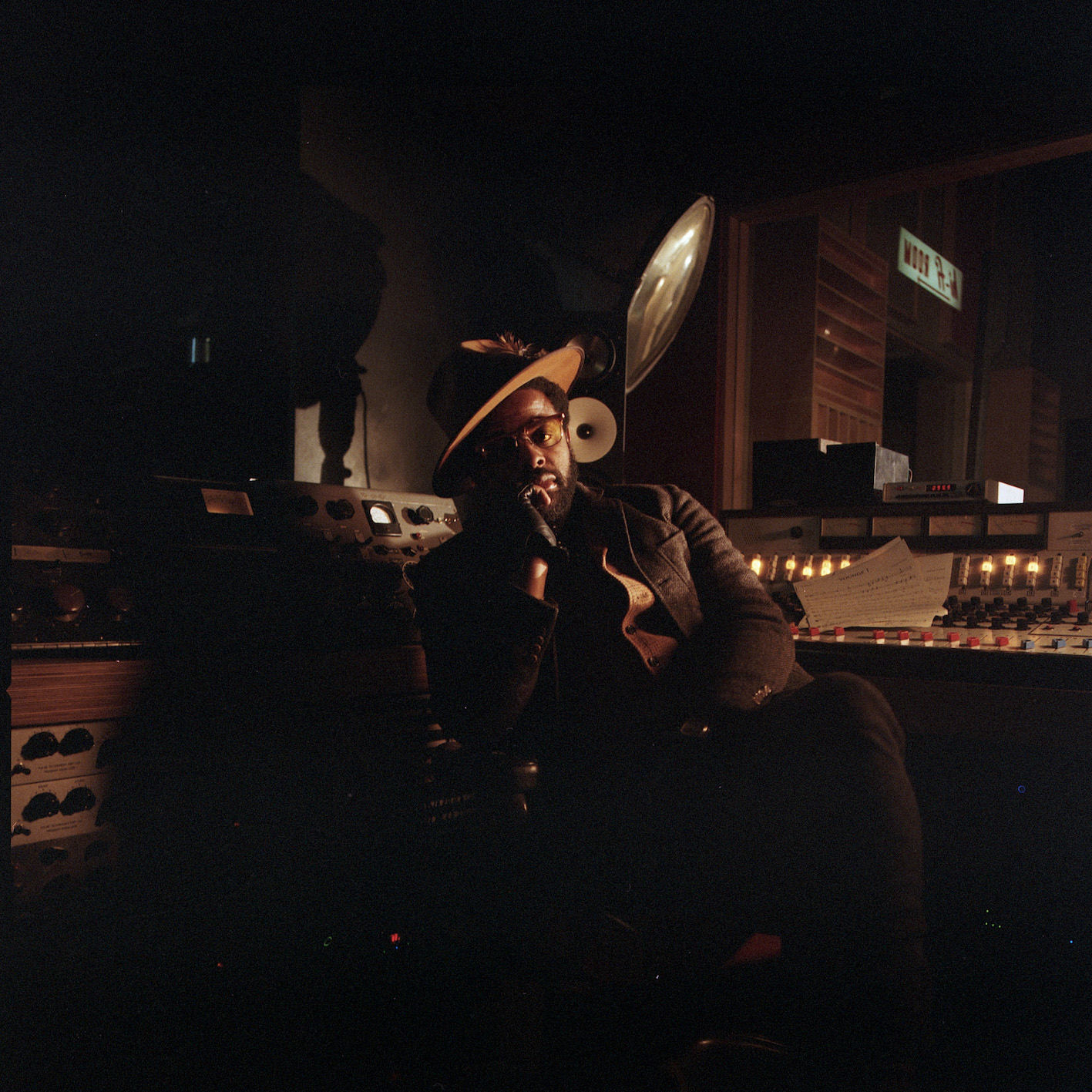
Adrian Younge (Photo ourtesy Adrian Younge)
I had the pleasure of speaking with Adrian Younge, the composer, producer, and multi-instrumentalist behind Jazz Is Dead and Linear Labs imprints, the label and studio he co-runs with Ali Shaheed Muhammad (A Tribe Called Quest). Renowned for blending cinematic soul, jazz, and funk, Younge has collaborated with artists across genres, crafting music that bridges eras and styles while honoring the rich legacy of Black music.
JAZZ IS DEAD is “Artist in Residence” at this year’s Enjoy Jazz Festival. Adrian Younge, Bilal and Gary Bartz will perform on the 7th of November at the Heidelberg Congress Center.
Adrian, I’m reaching you in your hometown of Los Angeles, right? What does LA mean to you personally, and how important is the city for JAZZ IS DEAD?
Adrian Younge: LA means a lot to me. First of all, I have a big analog studio here, and all my equipment is here. I record all of my music on my Linear Labs label and my Jazz Is Dead label right here. So this is my home, this is my hub. I can’t operate without this place.
And also culturally, this is where I was raised — LA is very much inside of me, to be honest with you.
Recently, there’s been a lot going on — in the world at large, in the USA, and also in Los Angeles. First, there were catastrophic fires, then Trump sent in the National Guard (as he did in Washington), and ICE — the U.S. Immigration and Customs Enforcement — has been quite active in LA. How does all this affect your daily life and work?
Adrian Younge: I didn’t work for like a week and a half, two weeks because of all the smoke. I drive to my mother’s house, which is an hour out of LA, just to have better air. So it affected me like that. I’m lucky enough to have not been directly affected by the fires — nothing burned, none of my property burned or anything. I’m lucky, but I know a lot of people who did lose stuff.
We’re okay; we’ve moved beyond a lot of it, and a lot of us still haven’t had our homes back yet, but that’s something we have to deal with.
As for the political and social issues, like ICE and all the Trump stuff — I mean, yeah, man, it’s…
I’m bringing up these socio-political aspects because I know how deeply you’re involved as both an artist and a person. You’ve reflected on these issues in albums like “The American Negro” (2021) and with your podcast Invisible Blackness with Adrian Younge (featuring guests such as Estelle and Chuck D), where you discuss systemic racism faced by African Americans (and others) in the United States.
Adrian Younge: I have a 12-year-old daughter. Her friend’s dad got picked up by ICE — it’s crazy. What it really is, it’s politics against colored people, man. That’s really what it is. And it’s really sad to see that, you know. I mean, I see a lack of sympathy for good people who just aren’t “here illegally.”
But it’s beyond that. There are people with visas here being harassed. Honestly, it’s really like white superiority type stuff, man. That’s what it really, really is. And it’s sad. It’s really sad to see, man. And we’re dealing with it.
A lot of businesses here that cater to Mexican clientele are going out of business because people are afraid to go out of their homes. Some parents are now having their children homeschooled because they’re afraid to pick up their children and be stopped by ICE. So, you know, it’s really sad. But hopefully, things get better.
Adrian Younge (Photo ourtesy Adrian Younge)
Your label JAZZ IS DEAD is “Artist in Residence” at this year’s Enjoy Jazz Festival. Heidelberg used to have a large U.S. base — if I’m not mistaken, the second biggest in Germany after Ramstein. I’m from Stuttgart, not far from Heidelberg. I was born in the ’70s and lived right next to a U.S. base. When we played soccer, the ball would often go over the wall, and we’d have to politely ask to come in and retrieve it — something that ended with the First Iraq War, when the gates were closed to us for good.
I mention this because the U.S. had a huge cultural impact on me — from hardcore to house and techno, to hip-hop and soul. A large part of my record collection is rooted in this. And I think I’m not alone in this kind of musical upbringing.
Do you feel – besides all that institutionalized racism and daily brutality we just spoke about – l the respect and love coming toward you?
Adrian Younge: So, this is what it really is, man. I’m black, and I love being black. But what it really is, I love being me. And me traveling — especially since I travel to Brazil a lot — I really realized that I spiritually connect with people. And that’s what it is. No matter if I’m speaking the language or not, there are people I meet, and I just love them. It’s a spiritual thing, right? I have white friends who’d jump in front of a bullet to protect me over a lot of my black friends. So, to me, it’s not really a white versus black thing; it’s a negative spirit versus a positive spirit thing. Race is a social construct — it’s not real, it’s not scientific. For me, I just love people who are like-minded.
A perfect example is… have you been to Brazil before?

Yeah, I’ve been there once.
Adrian Younge: Okay. So, for me, being from Los Angeles, when I see Latinos, I don’t look at them as white per se. But in Brazil, Latinos are considered white. So their racism comes from Latinos deemed to be white. It’s a hard line between white and black people. It’s strange to me because it’s just classism, elitism — people trying to elevate themselves. But for me, I love people: white, black, Chinese — I just love people I get along with.
And I do not like people on the other side — like Black Israelites.
You mean Black Hebrew Israelites, who believe they are descended from the ancient Israelites, right?
Adrian Younge: I can’t stand them. They say, “We are the chosen black people, and everyone else is beneath us.” I can’t stand people like that. So, it’s not a black or white thing for me; it’s a spiritual thing. Do you understand? We’re all humans, and we connect and love each other. And with the ICE stuff here in Los Angeles, I don’t feel that from the white people who support Trump.
It’s all about hierarchy and power. In the end, it’s about money, a social construction that gives some people access to markets and excludes others. A bullshit construction.
Exactly.
Adrian Younge (Photo ourtesy Adrian Younge)
Do you feel that the pressure from the world and political figures makes people appreciate culture — especially music — more, as a safe space? Are we coming closer together again? Community has always been important to me, but now I feel without it, we’re lost.
Adrian Younge: I’ll tell you this. In Los Angeles, I saw a video of a Mexican guy saying, “I want to apologize to black people because I always thought blacks were exaggerating about racial profiling. But now I’m being profiled too, and now I know how it feels.” So, it definitely brings the community together. People realize it’s not about race; it’s about love for one another. We’re coming together for humanity and love, while others just try to exclude people of color.
You mentioned the studio, Linear Labs, which you co-run with your partner Ali Shaheed Muhammad. Is it just my romantic imagination, or is it really a place where people drop by without a specific reason — just to see what’s going on?
Adrian Younge: There’s also a bunch of people who always come by because they feel like something’s going on, they need to connect or something, or is it more?
Well, so my studio here, you can see it’s all analog, it’s all tape machines and a bunch of vintage stuff. And my studio is really for me. I don’t really allow people in here. It’s a private studio. But the people I work with are definitely part of my community from around the world. So it’s not like a place where it’s some sort of commune where people come in and hang out. It’s my friends and people I love; they have the privilege to kind of walk into my safe place.

Adrian Younge (Photo ourtesy Adrian Younge)
JAZZ IS DEAD is also co-founded with Ali Shaheed Muhammad. Together, you’ve collaborated on many important albums, working with legends such as Roy Ayers, Lonnie Liston Smith, Tony Allen, and Brazilian greats like João Donato, Hyldon, Marcos Valle, and Azymuth.
Do you sometimes pinch yourself and wonder how all this became possible?
Adrian Younge: Absolutely. It’s not real to me yet, even though we’ve worked with so many legends. It’s just strange. And I feel like most people are not going to really understand how important it is for another 10, 20 years, maybe, you know?
And that’s including myself, because I’m working with these people and it’s special, but what’s really special to me is that I become their friend and we just happen to make music, which is cool.
But like the number of people we’ve worked with, I don’t know how many I’ve worked with, but it’s pretty insane to the point where no one else has—and I’m going to say this humbly—no one else has reached out to the jazz, soul, funk community to work with this many people and to give them a light, as far as legends that are still living. And I still don’t know what it means yet.
I just know that I feel like we have a duty to shed light on a lot of these legendary musicians that are kind of forgotten by newer generations. And we’re just kind of doing what we feel, what our heart’s telling us to do. And then every once in a while, we get to be like, “Damn, we did that.”
I still don’t know what it means. It just feels good. It feels right.
You don’t just compose, orchestrate, and conduct music — you also capture moments through analog photography and film. Is this because you feel the history being written in these moments deserves to be documented properly?
Adrian Younge: Absolutely. The thing is, we know it’s historical. So we put a lot of time and money into documenting exactly what’s happening, because at some point, these artists are no longer going to be here with us.
And four artists that we’ve had albums with—Roy Ayers, Tony Allen, João Donato, and Ivan Conti from Azymuth—are no longer here. So if we don’t have those videos of them shot well, on film and all that stuff, those memories kind of evaporate. Being able to capture these people, we just have a… It’s like we have a pulsating need to do this, man.
We just touch base with past, present, and future in a way when we talk about these people. When I listen to The Midnight Hour, your 2018 album with Ali Shaheed Muhammad, it feels like a séance, conjuring the ghosts of hip-hop’s golden era. But you don’t just look back nostalgically — you actively contribute to the ongoing history of the Black music continuum. So I’m interested in how you see that relation between you as somebody learning from these old people, working with these old people, having the respect to work within their paradigm, but also clearly managing to define your own paradigm nowadays.
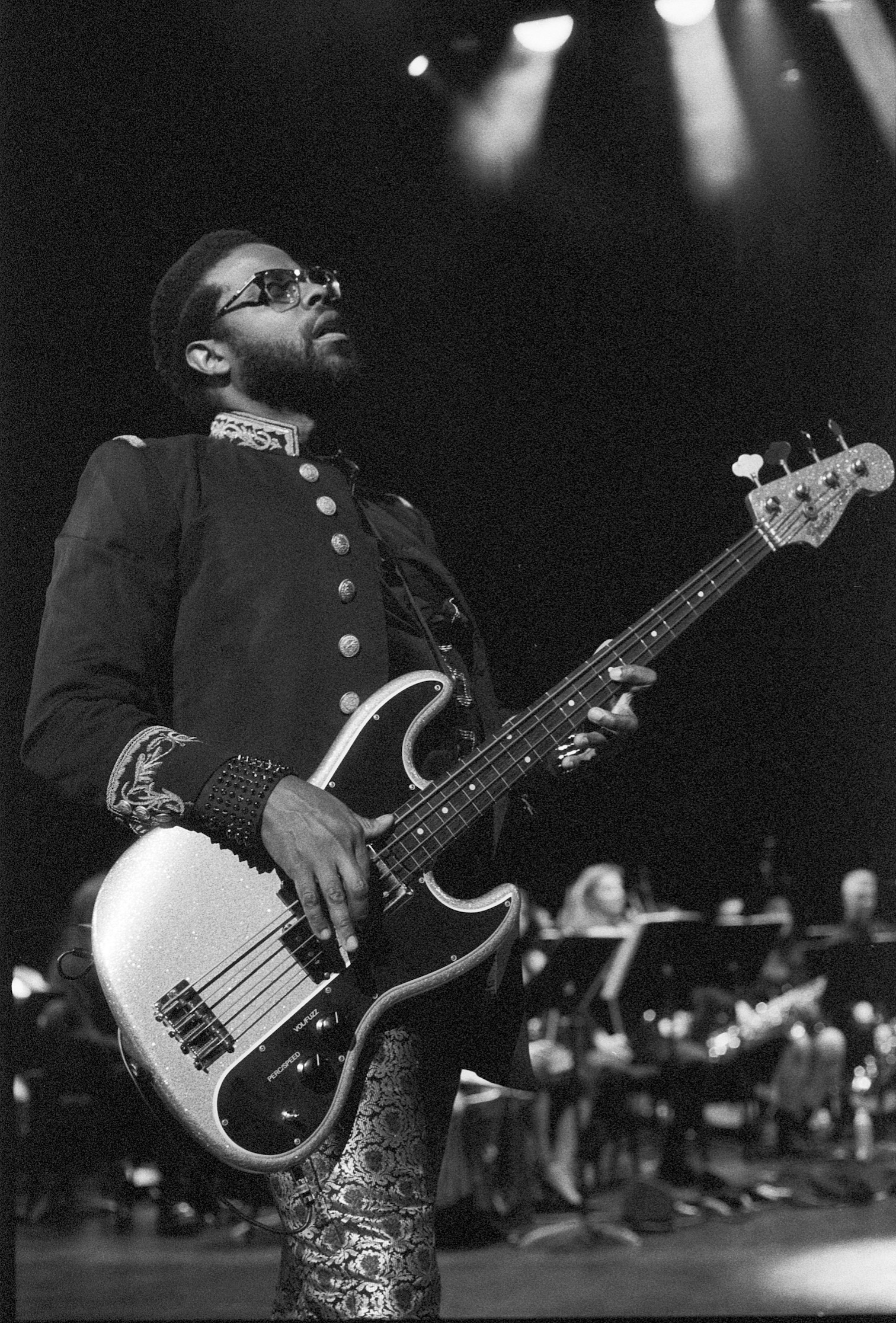
Adrian Younge: Yeah, so basically myself, Ali Shaheed Muhammad, and the Jazz Is Dead label are continuing conversations that were started in the 60s and 70s. And we work with these people and create new albums with them that are based on the music we like from them. But then also when Ali and I work on The Midnight Hour, we look at all of them and we look at the hindsight, the POV that hip-hop gave us in sampling a lot of their records, and we make new music that’s heavily inspired by the records that we love because Ali and I are both DJs and real connoisseurs of music from the late 60s and early 70s from around the globe. So when we’re making our stuff, we’re trying to make a record for today that could have stood next to those records we love from the 60s and 70s. We’re really inspired by classic ideas, ideas that don’t just seem like they’re in vogue and will change.
We like to try to make things that are everlasting, and that’s what drives us.
Adrian Younge (Photo ourtesy Adrian Younge)
Your father is a lawyer, and you also hold a Juris Doctor degree from the American College of Law in Orange County. You even worked as both a lawyer and a law professor. What made you choose law — family influence, or something else?
And as the second part of the question: Law is obviously not a bad choice for someone in the music industry. I’m sure it’s helped you navigate what can be a rather rough business, right?Y
Adrian Younge: Yeah, my father’s a lawyer and I was a law professor. I was never a practicing attorney here. I was a law professor for three years. Being a law professor and going through law school put me in a position where if I need to learn something, I could read a book to learn it. That’s what law school really taught me.
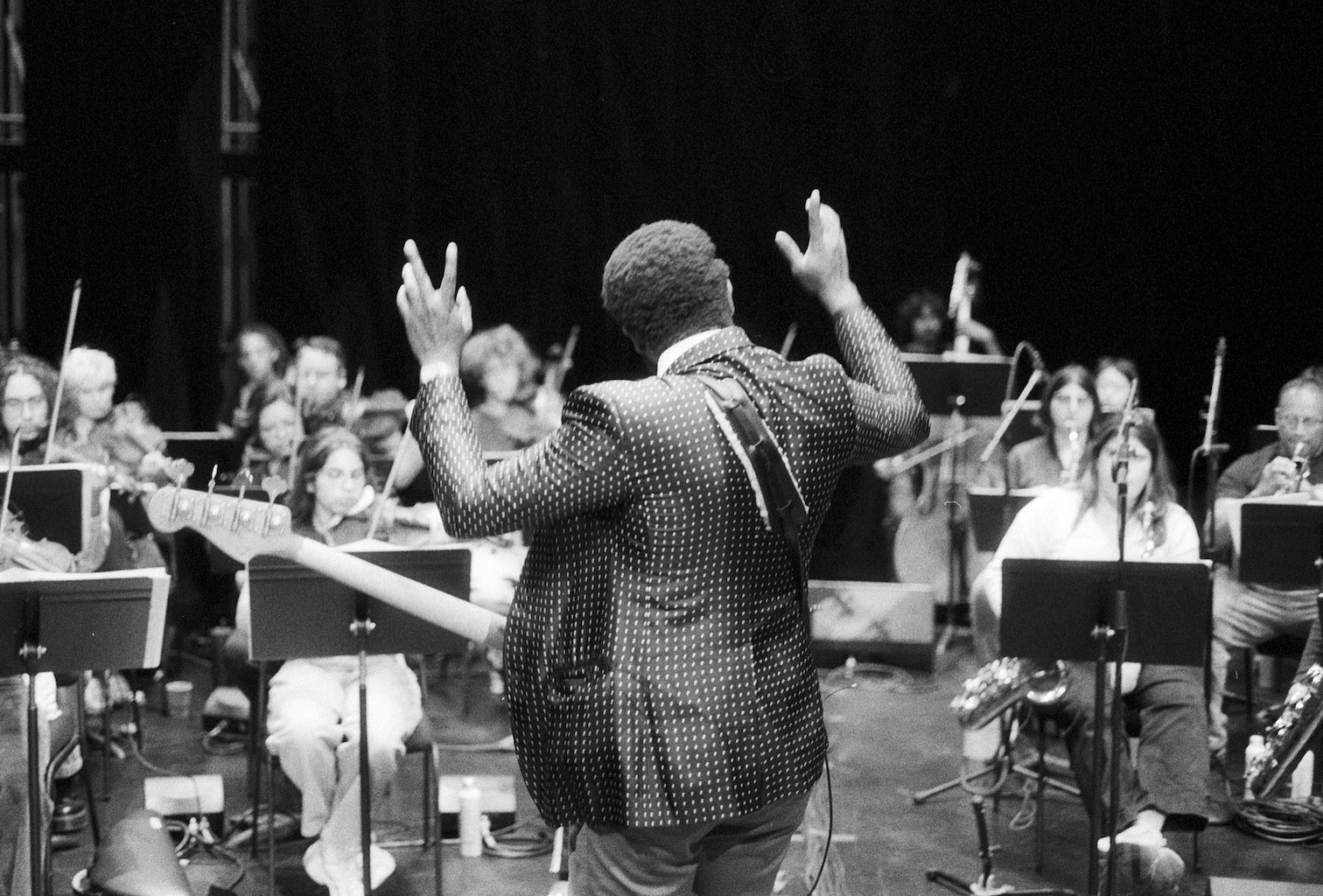
And because of that, I was able to learn how to write for orchestra, conduct for orchestra, and take my music to a whole other level because of my academic abilities.
So it definitely helped me with that, and it definitely helps me with contracts because I can look at my own contracts as a lawyer. People can’t mess with me like they do with other musicians.
Does it also make you fairer to the other artists you work with, because you know how a good contract has to look?
Adrian Younge: Absolutely. Well, to my detriment, because there are artists I worked with where I would tell them, “Hey, we’re going to do this together, and this is what we’re going to do because this is how you’re protected.” Other labels would say this or that, but this is what we’ll do because these are your rights. And then I’ve been taken advantage of because I’ll say that.
Then they’ll do something against the contract for me based on things I’ve told them just out of the kindness of my heart. So it works both ways. It obviously works more to my benefit than my disadvantage, but you know.
Your music has been sampled by DJ Premier, Schoolboy Q, and most famously, Jay-Z, who used your track Sirens for Picasso Baby. I guess, as a lawyer, you made sure everything was cleared properly — did he?
Adrian Younge: They cleared the samples. It’s an honor to be sampled by people. I like it because it makes my original even better. It’s dope because they heard something in my music and were inspired by it. I always like to make music to inspire others.
Let’s talk about Enjoy Jazz. What does “Artist in Residence” mean for you in concrete terms?
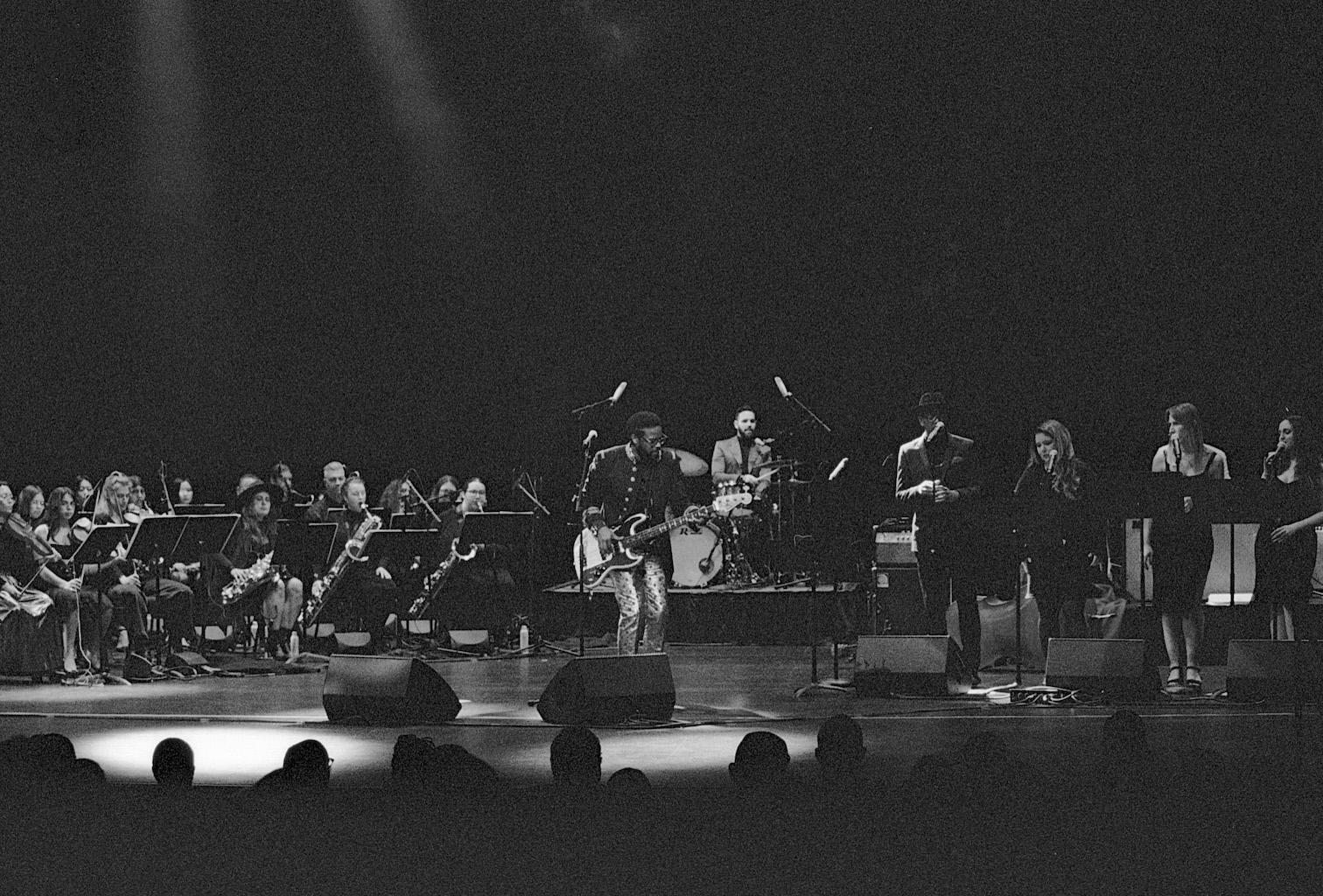
Adrian Younge: I’m bringing a small orchestra with me, and it’s going to be the most soulful, psychedelic, cinematic performance I hope anyone has ever seen. It’s like theater for us when we’re on stage; we really dive into the music. We’ll be playing a lot from Something About April Three, part one, and other parts of my catalog.
When I perform, I always try to perform like it’s the last performance of my life. I love to give it my all because I feel that if people are coming out to see me play, it’s an honor. I want to make them leave thinking it’s the best show they’ve ever seen. Performing is not a job to me. It’s a release. It’s an expression.
That’s a good approach. I want to end our conversation coming back to Los Angeles.
You also edit and score films (Black Dynamite, Sugar, Reasonable Doubt). Maybe this is a good moment to return to Los Angeles at the end of our conversation. As an artist living in LA, is it almost impossible not to be attracted to the film industry?
Adrian Younge: I love scoring films, man. I love scoring television. It’s good money too because the music I make, I really don’t make money from. It’s all music for people that love vinyl and records. I spend a lot of money on orchestras and recording everything analog. My music costs a lot to make, but it’s not pop music. Nowadays in 2025, it’s difficult for musicians to make money just making music. Plus, when I tour, I tour with so many people that I don’t make much money. It’s all out of love.
Scoring helps me make money to do what I love as well.
And last but not least — since we also talked about documenting your music recordings — are your productions loaded with images of the city in your mind?
Adrian Younge: Absolutely. My music is cinematic. I want people to listen and have visions. It’s not just for dancing or moving their body; it’s for people to close their eyes and imagine themselves somewhere. I like my music to be transformative.
And to put it the other way around: does Los Angeles speak to you through sound? Do certain corners of the city send specific sounds to you?
Adrian Younge: It’s crazy. I never thought of myself like this, and you might understand this in a way others might not, but growing up buying records, being a DJ and producer, the world section, the international section in record stores is kind of a place where I belong now as an artist. I’m from LA, but I make world music—with Brazilians, Africans, people from around the globe.
It’s crazy to think I’m using my LA experience to connect with people worldwide through different cultures. Do I hear Los Angeles through my sound? I hear the records that LA showed me in nightclubs, the music from LA artists, the records they sampled.
My favorite music comes from 1967–73 globally, and I heard many of these records by going into hip-hop clubs and nightclubs. My experience is based on LA showing me music around the world.
Thanks for your time.
Adrian Younge: Of course.
This was a very fast run-through of something that was supposed to be a one-hour talk.
Adrian Younge: Do you have one more question before I go, man?
Do you remember the first music you really connected with?
Adrian Younge: I’ll try to answer quickly. My parents are from Guyana, so I grew up with a lot of reggae. But hip-hop showed me records from around the world through sampling. My music is really inspired by records from 1968–73, including reggae. It’s not necessarily about music in my home; it’s music that hip-hop showed me through samples.
Did your parents like the idea that you became a professional musician rather than a lawyer?
Adrian Younge: Yeah. They wanted me to do what I love, so they always supported me.
Are your parents also music lovers?
Adrian Younge: They love music and always supported me. I’ve never had a problem with them, and I encourage other parents to do the same.
That’s great.
Adrian Younge: Yeah. They knew I worked hard.
Once again, thanks for your time. Appreciated.
Adrian Younge (Photo ourtesy Adrian Younge)